2026 Top Sodium Hyaluronate Buyers Guide for Global Procurement?
The demand for Sodium Hyaluronate is growing rapidly in various industries. This versatile ingredient is known for its exceptional ability to retain moisture and promote skin health. As a critical component in cosmetics, pharmaceuticals, and medical devices, understanding procurement options is essential for buyers.
Navigating the global market for Sodium Hyaluronate can be daunting. Buyers must consider factors like quality, sourcing, and cost-effectiveness. Each supplier may offer different grades and forms, which can influence product efficacy. It's important to evaluate these differences carefully.
While the market has numerous suppliers, not all guarantee reliability and consistency. Some may lack adequate certifications, raising concerns about their products. Buyers should seek partners that demonstrate transparency and quality assurance. Awareness of these challenges is key in securing high-quality Sodium Hyaluronate for your needs.
Overview of Sodium Hyaluronate and Its Applications
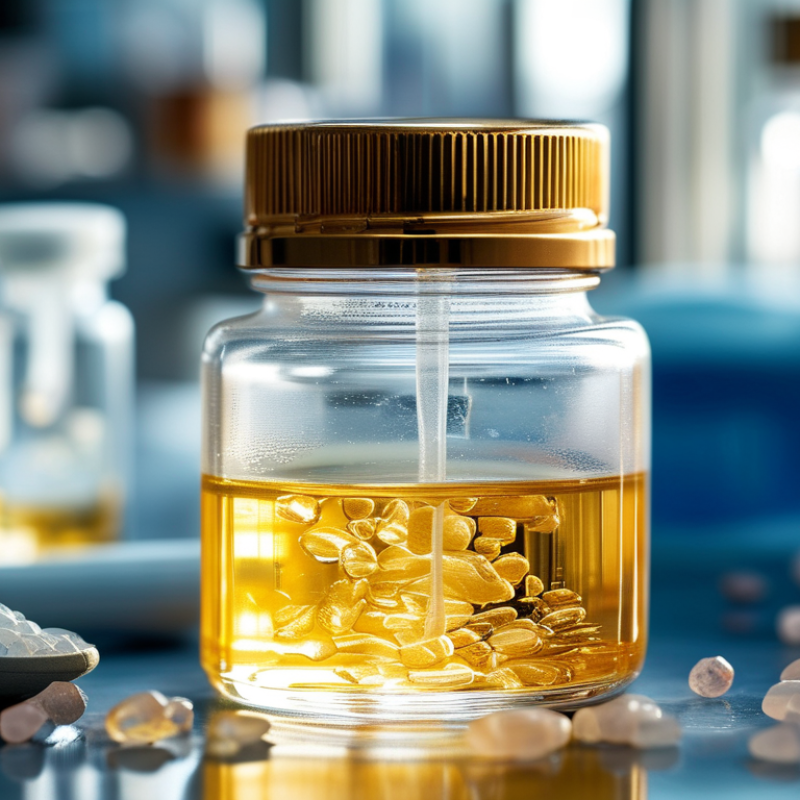
Sodium hyaluronate is a vital substance in various fields, especially in cosmetics and medicine. It is a form of hyaluronic acid and plays a crucial role in maintaining skin hydration. This compound is naturally found in the human body, primarily in connective tissues, skin, and synovial fluid.
In cosmetics, sodium hyaluronate is widely used for its moisture-retaining properties. It helps to keep the skin supple and plump. Many formulations boast its ability to hold up to 1000 times its weight in water. This makes it an essential ingredient in serums and moisturizers, aimed at achieving youthful skin.
In the medical field, sodium hyaluronate is used as a treatment for osteoarthritis. It acts as a lubricant in joints, helping to reduce pain and improve mobility. Additionally, its application is seen in eye surgeries and wound healing therapies. Despite its advantages, there are concerns regarding patient reactions and variations in product formulation. Ensuring quality and consistency is essential for safe usage in both cosmetic and medical applications.
Key Factors to Consider When Sourcing Sodium Hyaluronate
When sourcing sodium hyaluronate, several key factors come into play. Quality is paramount. Buyers should assess the purity level of the product. Reports from industry leaders indicate that a purity level above 95% is ideal for applications in medical and cosmetic fields. The presence of impurities can lead to adverse reactions or ineffective results. Conducting thorough quality assessments ensures that you obtain a safe and effective product.
Another critical factor is the source of the sodium hyaluronate. Manufacturers vary in their extraction processes, which can impact the final product's effectiveness. Data from the International Journal of Biological Macromolecules suggests that bacterial fermentation methods yield higher molecular weight hyaluronic acid. This form demonstrates better hydration and durability compared to those derived from animal sources. Understanding the production methods helps buyers make informed decisions.
Cost considerations cannot be overlooked. Prices for sodium hyaluronate can range widely. Market analysis reveals that products from established suppliers often command higher prices due to their proven reliability. However, sourcing from less-known suppliers can present risks. It's important to weigh costs against quality and supplier reputation. Balancing budget constraints with high standards is a common challenge in procurement.
Leading Global Suppliers of Sodium Hyaluronate
In the world of pharmaceuticals and cosmetics, sodium hyaluronate has become increasingly important. Its unique properties make it a staple in products aimed at hydration and skin elasticity. As buyers navigate the global market, understanding the landscape of suppliers is essential.
Many leading suppliers of sodium hyaluronate excel in varying aspects of production. Their processes can differ significantly. Some companies focus on high-purity standards, while others prioritize sustainable sourcing. This variety means buyers must evaluate suppliers carefully. Not all suppliers can meet the same quality or certification standards.
An important consideration is the consistency of supply. Fluctuations in production can impact availability. Buyers often face challenges when trying to maintain stock. It is crucial to build relationships with reliable suppliers. This ensures a steady flow of materials. Many companies also experience difficulties with compliance in different regions. Keeping abreast of regulations is vital. Each region may have different requirements, which can complicate global procurement efforts.
2026 Top Sodium Hyaluronate Buyers Guide for Global Procurement
| Supplier Region |
Product Form |
Purity (%) |
Typical Applications |
Annual Volume (kg) |
| North America |
Powder |
98 |
Pharmaceuticals, Cosmetics |
5000 |
| Europe |
Liquid |
99 |
Dermatology, Eye Care |
3500 |
| Asia |
Gel |
97 |
Orthopedics, Aesthetics |
8000 |
| South America |
Powder |
98 |
Cosmetics, Nutraceuticals |
2000 |
| Africa |
Liquid |
96 |
Wound Care, Moisturizers |
1500 |
Market Trends and Future Prospects for Sodium Hyaluronate Buyers
The market for sodium hyaluronate is evolving rapidly, driven by increasing demand in the healthcare and cosmetic industries. Industry reports indicate that the global sodium hyaluronate market is projected to reach approximately $12 billion by 2026, expanding at a compound annual growth rate (CAGR) of around 8.5% from 2021 to 2026. This growth is fueled by rising applications in dermal fillers, ophthalmology, and orthopedic treatments, showcasing the versatility of the ingredient.
Future prospects appear promising, yet challenges remain. Buyers must navigate fluctuations in raw material availability and pricing volatility. In 2023, reports highlighted that over 30% of suppliers faced disruptions in their supply chains, impacting delivery schedules. Buyers looking to source sodium hyaluronate should enhance their procurement strategies, considering multiple suppliers to mitigate risks. It's crucial to factor in the environmental and regulatory aspects of sourcing, as sustainability becomes a growing concern among consumers and businesses alike.
Networking with industry experts can offer deeper insights into evolving trends. According to recent surveys, about 40% of buyers expressed interest in educational webinars about market dynamics. This indicates a strong desire for continuous learning to adapt to market shifts. Understanding these factors ensures that buyers can make informed decisions in an increasingly competitive landscape.
2026 Sodium Hyaluronate Market Trends
Best Practices for Negotiating Sodium Hyaluronate Procurement Agreements
Negotiating sodium hyaluronate procurement agreements requires a strategic approach. Focus on understanding the market dynamics. Research current pricing trends and demand fluctuations. Gather data on competing buyers and suppliers. This information empowers you to make informed decisions. Leverage relationships with suppliers for better contract terms. Personal connections can significantly impact negotiations.
Communicate clearly and assertively during discussions. Set expectations about quality and delivery timelines. It's essential to prioritize reliability when choosing suppliers. Establish performance metrics in agreements to hold parties accountable. Reflect on past procurement experiences. Identify what worked and what didn’t. Learning from successes and mistakes leads to improved negotiations.
Be open to flexibility in terms. Sometimes, different payment structures can benefit both parties. Evaluate the overall value rather than just upfront costs. Consider including clauses for future price adjustments. The aim is to foster a long-term partnership. This approach may yield better results than a purely transactional relationship. Ultimately, the key lies in balancing assertiveness with collaboration.