How to Boost Your Health with Vitamin A Benefits?
Vitamin A plays a crucial role in maintaining overall health. Research indicates that this essential nutrient supports vision, immune function, and skin health. According to the World Health Organization, approximately 250 million children worldwide are affected by Vitamin A deficiency. This statistic highlights the importance of ensuring adequate intake for optimal health.
In addition to vision and immunity, Vitamin A is vital for reproductive health and cellular communication. A study published in the Journal of Nutrition found that individuals consuming sufficient Vitamin A showed a 25% lower risk of chronic diseases. However, overconsumption can lead to toxicity. Thus, balancing intake is essential, urging individuals to seek professional advice.
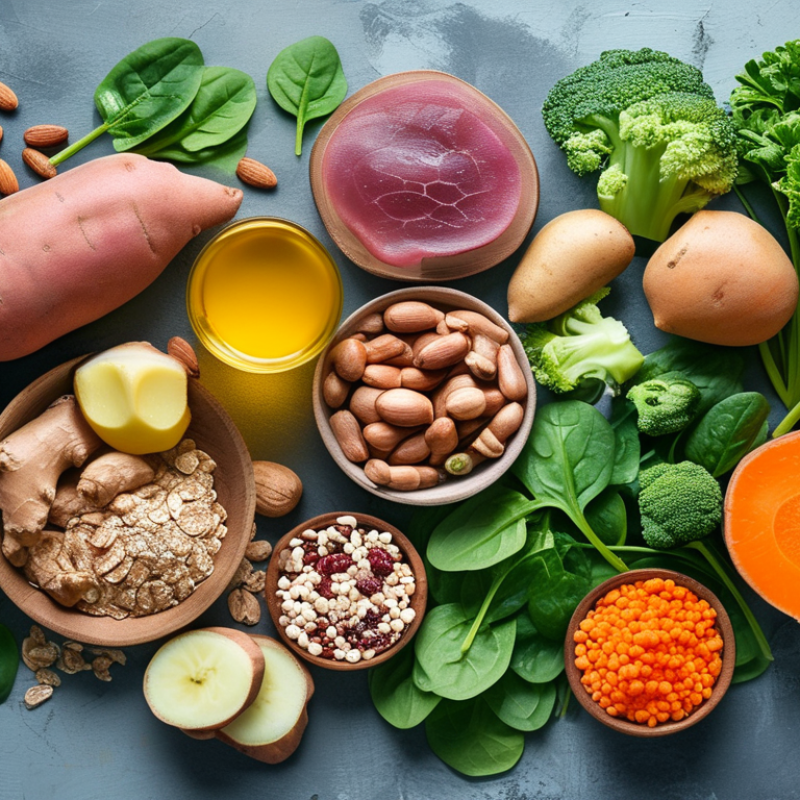
While incorporating Vitamin A into your diet is beneficial, many neglect this nutrient. Foods rich in Vitamin A, such as sweet potatoes, carrots, and spinach, should be prioritized. Engaging with a healthcare professional can help navigate the complexities of Vitamin A needs. It's essential to reflect on your dietary habits to ensure you are meeting this critical health requirement.
Understanding Vitamin A: What It Is and Its Types
Vitamin A plays a crucial role in maintaining our health. This fat-soluble vitamin comes in two primary forms: retinol and provitamin A carotenoids. Retinol is found in animal products such as liver and dairy, while carotenoids are primarily sourced from fruits and vegetables. Carotenoids, like beta-carotene, can be converted into vitamin A by our bodies. This flexibility allows for a broad range of dietary sources.
The benefits of vitamin A are numerous. It supports vision, especially in low light, and is essential for maintaining healthy skin. It also boosts the immune system, helping the body fight infections more effectively. Interestingly, while vitamin A is vital, too much can lead to toxicity. It's crucial to find a balance, as excessive intake can cause serious health issues. This highlights the importance of understanding your diet and the sources of vitamin A you consume.
Many people may overlook their vitamin A intake. This can lead to deficiencies, affecting vision and skin health. Eating a colorful diet rich in fruits and vegetables is a simple way to ensure adequate carotenoid intake. Incorporating liver and dairy products can also improve retinol levels. Reflecting on your eating habits could help you avoid deficiencies and enhance your overall health.
Vitamin A Benefits Overview
The Role of Vitamin A in Immune Function and Health
Vitamin A plays a crucial role in supporting immune function and overall health. This fat-soluble vitamin is essential for the development and differentiation of immune cells. According to the World Health Organization, vitamin A deficiency can lead to increased susceptibility to infections. A significant study published in the Journal of Nutrition found that adequate vitamin A levels can enhance the immune response, particularly in children and pregnant women.
Research shows that vitamin A helps produce white blood cells. These cells are vital for fighting off pathogens. Furthermore, it supports the integrity of mucosal surfaces, such as in the respiratory tract. This barrier function is critical for preventing pathogens from entering the body. The recommended daily allowance of vitamin A varies by age and gender, but many people fall short of these requirements. Awareness is essential, as a balanced intake can significantly improve immunity.
Despite its importance, many individuals underestimate vitamin A's benefits. Reflecting on one’s diet can reveal gaps in nutrient intake. Foods rich in vitamin A include carrots, sweet potatoes, and spinach. Encouraging a varied diet can help people meet their nutritional needs and improve overall health. Yet, over-supplementation can lead to toxicity, highlighting the need for moderation and balanced choices.
Sources of Vitamin A: Natural Foods and Supplements
Vitamin A is essential for maintaining good health. It plays a vital role in vision, immune function, and skin health. You can find this nutrient in various foods and supplements. Incorporating a mix of natural sources into your diet can help boost your intake effectively.
Natural sources of vitamin A include colorful fruits and vegetables. Carrots, sweet potatoes, and spinach are rich in beta-carotene, a form of vitamin A. Dairy products, eggs, and fish also provide retinol, the active form of this vitamin. Eating a variety of these foods can enhance absorption. However, it’s essential to be mindful of balance. Consuming too much vitamin A, particularly from supplements, may lead to toxicity. This risk underscores the importance of moderation.
Supplements can be beneficial in certain cases. For people with dietary restrictions, they can fill gaps. However, reliance on supplements can lead to inattentiveness towards whole foods. Choosing food first is often the best approach. Explore local markets and try new recipes. Reflect on your habits and ensure you get diverse sources of this vital nutrient.
How to Boost Your Health with Vitamin A Benefits?
| Source |
Type of Vitamin A |
Benefits |
Serving Size |
| Carrots |
Beta-Carotene |
Improves vision and boosts immune system |
1 medium carrot |
| Spinach |
Beta-Carotene |
Promotes healthy skin and bone health |
1 cup cooked |
| Sweet Potatoes |
Beta-Carotene |
Supports metabolic functions and skin health |
1 medium potato |
| Eggs |
Retinol |
Enhances vision and supports immunity |
1 large egg |
| Liver |
Retinol |
Provides a high concentration of Vitamin A |
3 ounces |
| Fortified Milk |
Retinol |
Supports eye health and overall growth |
1 cup |
Optimal Dosage and Recommendations for Vitamin A Intake
Vitamin A plays a crucial role in maintaining overall health. It supports vision, immune function, and skin health. However, understanding the optimal dosage and recommendations for intake is essential for maximizing its benefits.
For adults, the recommended daily allowance (RDA) of vitamin A varies. Generally, men need about 900 micrograms (mcg), while women require around 700 mcg. It's important not to exceed the upper limit, which is 3,000 mcg. Overconsumption can lead to toxicity, causing symptoms like nausea or headaches.
Tips: Incorporate vitamin A-rich foods like carrots, spinach, and sweet potatoes into your meals. Consider checking your dietary intake regularly. Adjustments may be necessary if your diet lacks these vital nutrients.
Monitoring your vitamin levels is wise. Sometimes, supplements can help, but they are not always necessary. It’s best to focus on natural food sources first. Consulting with a healthcare provider is always a good step if you have concerns about your intake.
Potential Risks of Vitamin A Deficiency and Overconsumption
Vitamin A is vital for overall health, but both deficiency and overconsumption pose risks. A deficiency can lead to severe health issues. Night blindness is a common early sign. In severe cases, it can impair immune function, leaving individuals susceptible to infections. Skin health can deteriorate, which may lead to dryness and other issues. This deficiency is particularly concerning in developing countries, where diets lack adequate nutrients.
On the other hand, excessive vitamin A intake can be harmful. Symptoms of overconsumption include nausea, irritability, and even liver damage. Individuals often overlook these risks, feeling secure in taking supplements. However, this can lead to serious health problems over time. Pregnant women must be especially cautious, as high levels can affect fetal development. It is essential to monitor both deficiency and excess to ensure optimal health. Balancing vitamin A intake through a diet rich in fruits and vegetables is often the safest approach. Regular check-ups can help maintain this balance, avoiding potential pitfalls.