China Best Bakuchiol Oil Suppliers for Global Buyers
China has become an important sourcing hub for Bakuchiol Oil used in cosmetic formulations worldwide. Global buyers often seek reliable suppliers, stable quality, and practical export support. This guide examines manufacturers, extractors, and trading companies serving international customers.
Experienced procurement teams usually check more than a product brochure. They review the botanical source, extraction method, bakuchiol concentration, carrier oil, appearance, odor, and packaging conditions. A clear Certificate of Analysis can help confirm identity, purity, microbiological limits, and batch consistency. Samples matter too. A small amber bottle may reveal sediment, oxidation, or an unexpected scent before a larger order is placed.
Supplier experience is visible in small details. Can the company explain its testing process? Does it provide traceable batch numbers? Are technical documents available in English? Can its logistics team manage drums, sample bottles, customs paperwork, and temperature-sensitive transport? These questions support safer purchasing decisions.
Not every supplier with polished marketing deserves immediate trust. Some information may be incomplete. Buyers should verify factory capabilities, third-party testing, certifications, and recent customer references independently. Product quality can also vary between batches, even when the specification appears identical. That reality deserves attention.
This overview compares China’s Bakuchiol Oil suppliers through quality control, documentation, production capacity, customization, communication, pricing, and export reliability. It is designed for cosmetic brands, private-label manufacturers, distributors, and formulation professionals seeking evidence rather than promises. Careful due diligence remains essential. No supplier is perfect.
What Bakuchiol Oil Is and Why Global Buyers Choose It
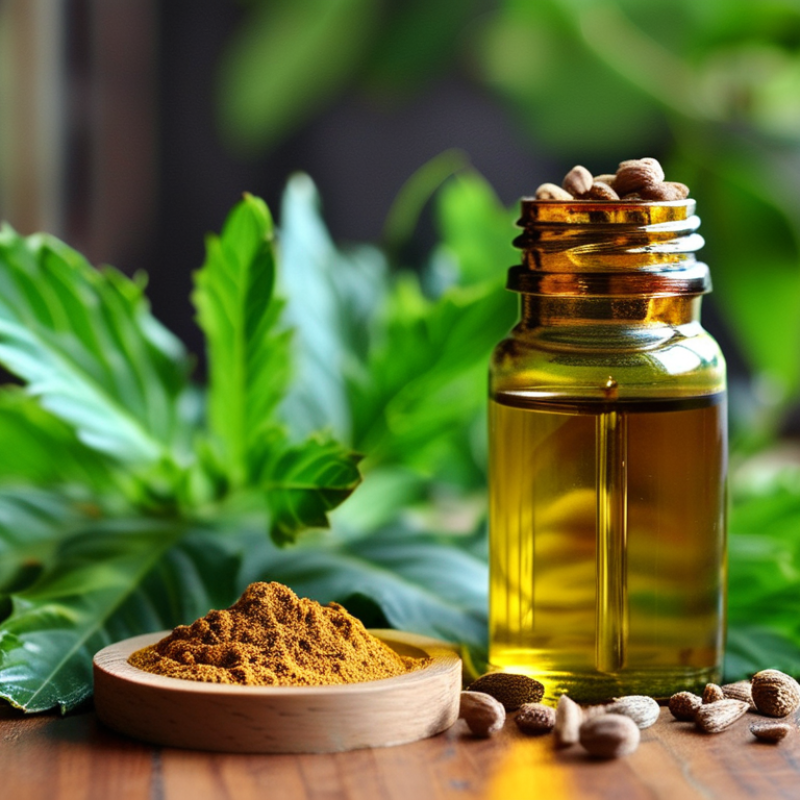
Bakuchiol oil is a botanical cosmetic ingredient commonly derived from Psoralea corylifolia seeds. It is often described as a gentle, retinol-like alternative, but the comparison needs care. Bakuchiol is not retinol. Research suggests it may help improve the appearance of fine lines, uneven tone, and rough texture, while offering antioxidant support. Its lighter sensory profile also suits facial oils, serums, and creams.
Global buyers often choose Chinese suppliers for flexible production, competitive costs, and access to botanical extraction expertise. The best sourcing decisions depend on evidence, not attractive claims. Buyers should request the INCI name, plant origin, extraction method, assay level, batch number, and storage guidance. A reliable supplier should also provide testing for microbial limits, heavy metals, residual solvents, and oxidation stability. Small details matter.
In formulation trials, bakuchiol oil can feel elegant on dry skin, yet its color and natural odor may vary between batches. That variation is not automatically a quality problem, but it requires clear specifications. Some formulas may also need antioxidant protection and suitable packaging. Promising ingredients still need testing. A supplier that shares traceability records, technical documents, and realistic usage guidance inspires more confidence than one promising instant results. This is where many buying decisions become less simple.
Key Quality Standards for Bakuchiol Oil Suppliers in China
China Best Bakuchiol Oil Suppliers for Global Buyers
Reliable bakuchiol oil suppliers should prove quality with measurable, repeatable data. Grand View Research’s 2024 market assessment projects nearly 10% annual growth for bakuchiol through 2030. This growth increases pressure on Chinese suppliers to control purity, sourcing, and batch consistency. Ask for HPLC results, not only a polished certificate. A practical benchmark is clear bakuchiol identification, with purity commonly specified above 98% for cosmetic-grade material. The testing method must appear on the report.
ISO 22716-based manufacturing supports hygiene, documentation, and process control. Suppliers should also provide testing for heavy metals, residual solvents, pesticides, microbial limits, and oxidation markers. ISO 16128 can help explain natural-origin calculations, but it does not prove safety or performance. Check the botanical source, extraction solvent, carrier oil, and storage temperature. Amber containers and nitrogen flushing can reduce light and oxygen exposure. A perfect-looking certificate is not enough. I would still compare three consecutive batch reports, because one strong result may hide unstable production. Some suppliers may lack complete stability data, which deserves careful questioning before purchase.
Tips: Request a sealed sample, current SDS, full CoA, allergen statement, and traceability record. Confirm whether the quoted material is pure bakuchiol or a diluted oil blend. Test the sample independently before signing a long-term contract. Keep records. Small documentation gaps can become costly quality problems.
Key Quality Benchmarks for Bakuchiol Oil Suppliers in China
Reference acceptance values commonly used in buyer specifications and supplier COAs. These are commercial benchmarks rather than universal legal limits; the declared bakuchiol concentration, destination-market rules, ISO 22716 controls, and the current product specification should always be confirmed.
Note: Assay ≥98% applies to neat bakuchiol reference material. For bakuchiol oil blends, assay requirements must match the declared concentration. Residual-solvent control may follow applicable ICH Q3C solvent classifications.
How Chinese Suppliers Produce and Test Bakuchiol Oil
China Best Bakuchiol Oil Suppliers for Global Buyers
Chinese suppliers typically begin with dried Psoralea corylifolia seeds, verified through botanical identification and moisture testing. Supercritical carbon dioxide or solvent extraction separates the oil-rich fraction. The extract is then filtered, concentrated, and standardized for bakuchiol content. Some facilities use low-temperature processing to protect its pale yellow color and botanical profile. According to the Cosmetic Ingredient Review safety assessment, bakuchiol has documented cosmetic use data, but finished-product safety still depends on concentration and formulation. Extraction is not the whole story.
Reliable manufacturers test each batch with high-performance liquid chromatography. HPLC confirms bakuchiol identity and assay, while gas chromatography helps examine volatile impurities. A typical commercial specification may require 98% or higher bakuchol-related assay, although buyers should verify the method and reference standard. ISO 17516 provides microbiological quality guidance for cosmetics, including limits for total microbial counts and the absence of specified pathogens. The 2023 Global Market Insights report describes growing demand for plant-based cosmetic actives, supporting stricter supplier documentation. However, market reports often combine extracts, serums, and pure ingredients, so their figures are not perfectly comparable. Ask for chromatograms, residual-solvent results, heavy-metal data, stability records, and a recent certificate of analysis before approval. Some suppliers still provide impressive numbers without enough method detail. That deserves a second look.
Export, Packaging, and Compliance Factors for International Buyers
China remains a major sourcing base for bakuchiol oil, but export readiness requires more than a competitive quote. International buyers should verify botanical identity, extraction method, batch consistency, and available test records. Ask for a recent certificate of analysis, safety data sheet, allergen statement, and microbiological results. These documents support responsible assessment, not automatic approval. I have found that vague specifications often create delays after payment.
Packaging affects product stability and customs handling.
Request light-resistant bottles, tamper-evident seals, and clear lot numbers. Outer cartons should show net weight, origin, handling instructions, and buyer-required shipping marks. Suppliers should explain storage temperatures and expected shelf life. A small sample shipment can reveal leakage, odor changes, or labeling gaps. It is not perfect, though. Transport conditions may differ during peak seasons.
Tips:
Compare documents against the physical sample. Confirm the botanical name, concentration, carrier oil, and fill volume. Check whether export paperwork matches the invoice and packing list. Ask who controls final release testing. Keep written records of approvals. Local cosmetic rules still apply after import, so consult a qualified compliance professional before selling. This step may feel slow, but it prevents expensive rework.