Why Choose Retinol Powder for Your Skincare Routine?
In the realm of skincare, Retinol Powder stands out as a potent ingredient. It offers numerous benefits for various skin types. Retinol, a derivative of Vitamin A, helps in boosting cell turnover, which can lead to smoother skin texture. This powder form makes it easy to incorporate into personalized beauty routines.
Users often seek visible results. However, some may experience irritation or dryness when starting with Retinol Powder. This contradiction can be frustrating. The desired glow may come with a few weeks of adjustment. Finding the right balance is essential, as everyone's skin reacts differently.
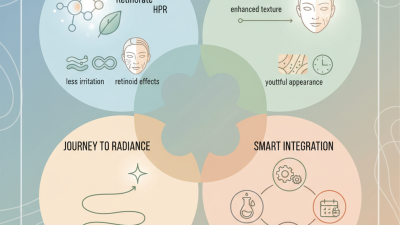
With the rising interest in effective skincare solutions, Retinol Powder is gaining popularity. Many people are drawn to its promise of youthful skin. Yet, it is essential to approach it with care. Users should consider patch testing and gradual usage. The journey to radiant skin may require patience and experimentation.
Benefits of Incorporating Retinol Powder into Skincare Routines
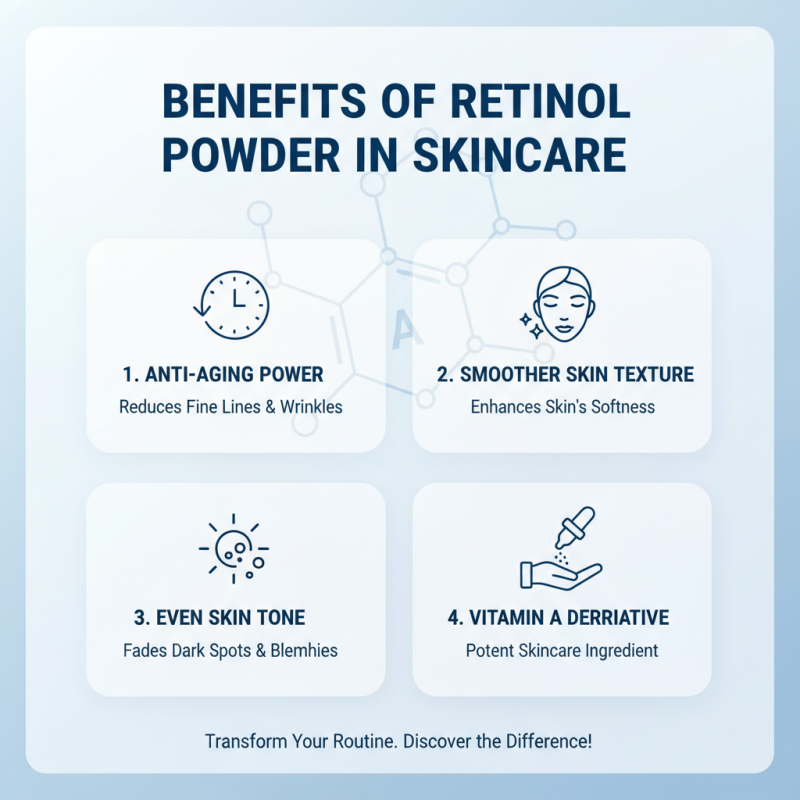
Retinol powder is a game-changer in skincare. It is derived from vitamin A, known for its anti-aging properties. Incorporating it into your routine can yield impressive results. Fine lines and wrinkles may diminish, making your skin appear smoother. It helps in evening skin tone too. Dark spots and blemishes can gradually fade away.
Using retinol powder isn't without challenges. Some people experience sensitivity when they first start using it. Flaking and redness might occur. Adjusting the frequency of use is crucial. Start with a low concentration to see how your skin reacts. Combining it with other products requires caution, as some ingredients may cause irritation.
Consistency is key. It may take weeks to see real changes. Daily use may feel daunting, but it’s important. Make sure to apply sunscreen during the day, as retinol can increase sun sensitivity. It requires commitment, but the long-term benefits are worth the effort. Your skin might improve into a healthier, brighter version of itself.
Scientific Evidence Supporting Retinol's Efficacy in Skin Renewal
Retinol powder is gaining popularity in skincare. It offers remarkable benefits for skin renewal. Scientific research shows that retinol can enhance cell turnover. This leads to smoother, younger-looking skin. Studies have demonstrated its effectiveness in reducing fine lines and wrinkles.
Many people worry about using retinol due to potential irritation. It’s essential to start slow. Begin with a small amount, applying it once a week. Gradually increase usage as your skin adapts. This approach minimizes redness and peeling, common side effects.
Tips for using retinol: Always use it at night. Sun exposure can reduce its effectiveness. Pair it with a good moisturizer to help soothe the skin. Consider patch testing before full application. This helps you gauge sensitivity. Remember to listen to your skin; adjusting frequency based on how it reacts is crucial.
Why Choose Retinol Powder for Your Skincare Routine? - Scientific Evidence Supporting Retinol's Efficacy in Skin Renewal
| Study |
Findings |
Key Benefits |
Concentration |
| Study A (2019) |
Improvement in fine lines and skin texture |
Reduces signs of aging |
0.5% - 1.0% |
| Study B (2020) |
Enhanced cellular turnover rate |
Promotes skin renewal |
0.25% - 0.5% |
| Study C (2021) |
Increased collagen production |
Improves skin elasticity |
1.0% - 2.0% |
| Study D (2022) |
Decreased hyperpigmentation |
Evens skin tone |
0.5% - 1.5% |
Comparison of Retinol Powder vs. Traditional Retinol Formulations
When considering retinol for skincare, users often face a choice between traditional formulations and
retinol powder. Traditional retinol products are liquid-based and often include additional ingredients. While these formulations can be effective, they may cause irritation for some users. The presence of stabilizers and additives in these products sometimes leads to unpredictable reactions.
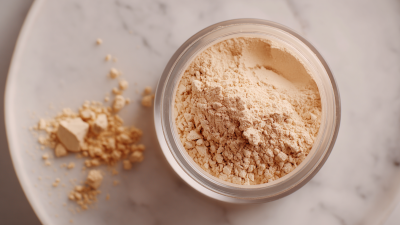
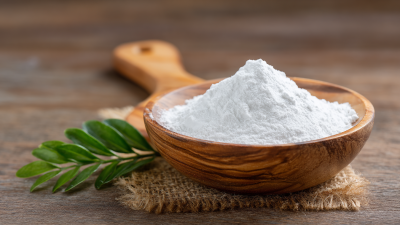
Retinol powder stands out due to its pure, concentrated form. It allows for precise dosing, which can lead to better customization. Users can mix it with their favorite serums or creams, tailoring the intensity to their skin's tolerance. However, applying retinol powder can feel like an art. It requires careful measurement and understanding of your skin’s needs. Too much can lead to redness or dryness.
While both forms provide benefits, individual responses differ. Some might find traditional retinol more convenient. Others may appreciate the flexibility of powder.
It’s essential to recognize that not every method works universally. Tracking personal results can help users refine their routines and achieve better outcomes. Skincare is often a journey requiring patience and adaptation.
Dosing and Application Guidelines for Optimal Retinol Powder Use
When incorporating retinol powder into your skincare routine, proper dosing is crucial. Start with a low concentration to gauge your skin’s tolerance. Typically, a pea-sized amount mixed with your moisturizer can work well. Gradually increase the dosage as your skin adapts. Monitor for any signs of irritation. Redness or peeling signals that you may need to reduce the amount temporarily.
Application is equally important. Apply retinol powder in the evening, as it can make your skin sensitive to sunlight. Ensure your face is clean and dry before use. Mixing the powder with a gentle, hydrating base can enhance absorption and minimize irritation. Avoid introducing other potent ingredients simultaneously, as this can lead to excessive sensitivity. Estimating the right frequency can take time, so be patient. Adjust based on your skin’s response over the weeks.
Potential Side Effects and How to Mitigate Them in Skincare Regimens
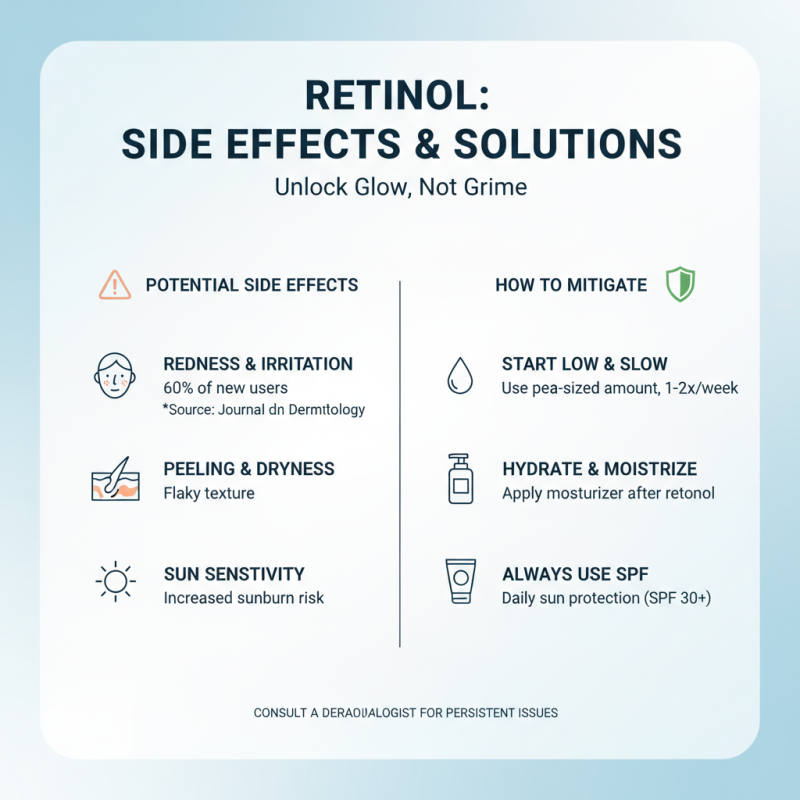
Retinol powder is a powerful ingredient in skincare. It offers benefits like improved skin texture and reduced fine lines. However, potential side effects shouldn't be overlooked. Common issues include redness, peeling, and irritation. According to a study published in the *Journal of Dermatology*, nearly 60% of users experience some form of irritation when first using retinol products.
Mitigating these side effects requires a thoughtful approach. Start with a lower concentration. Gradually increase usage to allow your skin to acclimate. Incorporating a good moisturizer can also help. The American Academy of Dermatology suggests applying a moisturizer after retinol to lessen irritation. Consider patch testing new products. This method can reveal how your skin reacts without a full commitment.
Awareness and education are crucial in managing retinol's side effects. Many users may assume that more is better, but this can backfire. Finding the right routine might take time and patience. Adjusting your regimen based on your skin's response is key. A personalized approach often leads to better outcomes. Listening to your skin is a step toward achieving your skincare goals.