Sourcing Ascorbyl Palmitate effectively is essential for various industries, especially in cosmetics and nutrition. Ascorbyl Palmitate, a stable vitamin C derivative, offers antioxidant properties. It protects products from oxidation and enhances skin health. Understanding how to source this ingredient can be challenging yet rewarding.
Many suppliers claim to offer high-quality Ascorbyl Palmitate, but how can buyers distinguish between them? Some products may not contain the promised purity. This variability can impact formulation quality and brand reputation. Therefore, knowing the right sourcing tips is crucial.
Approaching sourcing with caution will yield better results. Start by evaluating suppliers based on certifications and track records. Look for industry experts who understand this ingredient’s complexities. Transparency in the sourcing process builds trust. With informed decisions, businesses can secure reliable Ascorbyl Palmitate, ensuring product excellence.

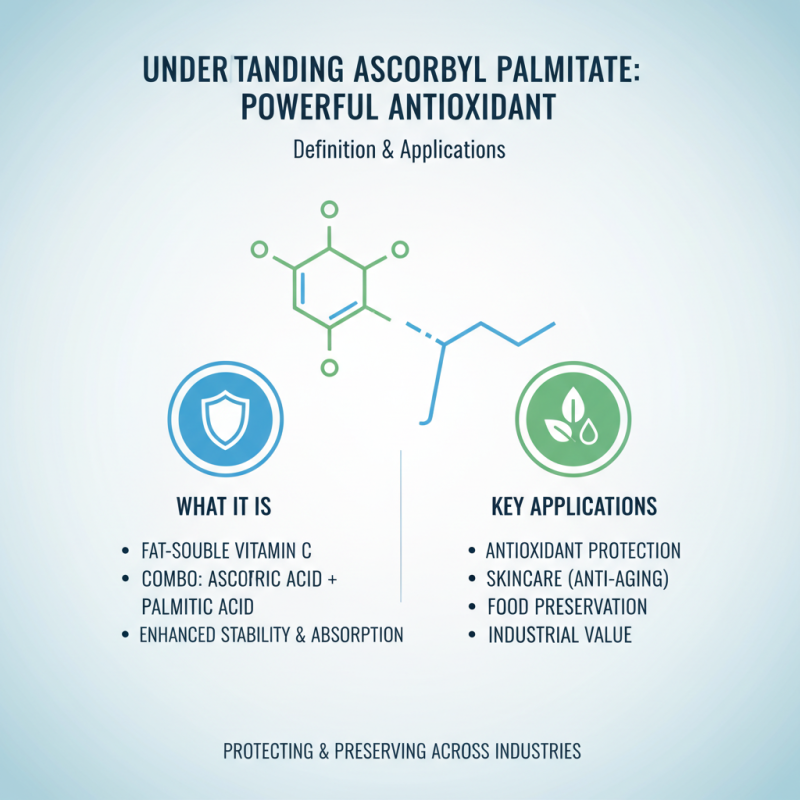
Ascorbyl palmitate is a fat-soluble derivative of vitamin C. It combines ascorbic acid and palmitic acid, enhancing stability and bioavailability. This compound acts as an antioxidant, protecting skin and food products from oxidative damage. Its applications extend beyond cosmetics to food preservation, making it valuable in various industries.
When sourcing ascorbyl palmitate, consider purity as a critical factor. A report by the International Food Additives Council highlights that the purity can affect the efficacy and safety of the product in food applications. Aim for a minimum purity of 95% to ensure effectiveness.
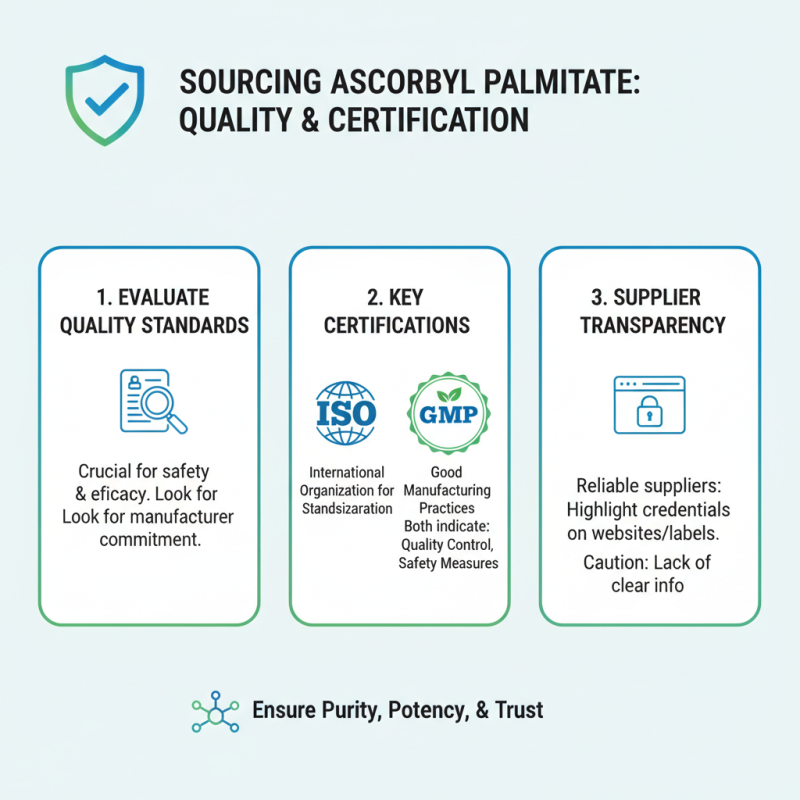
Another tip involves verifying supplier certifications. Look for suppliers who can provide certifications like ISO or GMP. These standards indicate reliability and adherence to quality practices. Ensure their sourcing methods are transparent.
Additionally, keep an eye on market trends. The demand for natural preservatives is rising. According to a report from Grand View Research, the global market for antioxidants is projected to reach $3.25 billion by 2025. This trend emphasizes the need for sourcing with an eye for sustainability and ethical considerations.

When sourcing Ascorbyl Palmitate, identifying reliable suppliers is crucial. Start by thoroughly researching potential suppliers. Look for certifications, such as GMP or ISO standards. These indicate that a supplier adheres to industry regulations and quality assurance processes. A reliable supplier should also be transparent about their sourcing methods.
Pay attention to supplier reviews and feedback. This helps gauge their reliability and quality. Engaging with suppliers directly can provide valuable insight. Ask questions about their sourcing practices and ingredient quality. Ensure they can provide documentation, such as Certificates of Analysis. This adds credibility to their claims.
It’s important to recognize that not all suppliers will meet your standards. Some may promise more than they deliver. Consider smaller suppliers for personalized service, but evaluate their capability to scale with your needs. Reflect on your sourcing process and be willing to pivot if necessary. Finding the right supplier takes time, and diligence will lead to better long-term partnerships.
This bar chart represents the reliability scores of various suppliers for ascorbyl palmitate. Each score reflects the supplier's consistency in quality, delivery, and service, enabling buyers to make informed decisions when sourcing.
When sourcing ascorbyl palmitate, evaluating quality standards is crucial. Start by examining relevant certifications from manufacturers. Look for certifications like ISO and GMP. These indicate a commitment to quality control and safety measures. Reliable suppliers often highlight these credentials on their websites or product labels. Be cautious of those who do not provide clear information.
Additionally, consider the source of the ingredients. It’s essential to know where ascorbyl palmitate is derived from. Natural sources may provide better quality than synthetic alternatives. Look for transparency in sourcing practices, as this reflects the supplier’s integrity. Third-party testing results can offer additional insights into product safety and potency.
However, not all certifications guarantee flawless quality. Sometimes, there may be discrepancies in testing methods. It's easy to overlook these details, but doing so can lead to sourcing inferior products. Keep an open mind and be ready to question suppliers. Engage in conversations to understand their processes. This proactive approach can enhance your sourcing experience and ensure you receive the best ascorbyl palmitate available.
When sourcing ascorbyl palmitate, budgeting plays a critical role in the procurement process. According to the Global Market Insights report, the demand for this antioxidant has surged, driving prices up to 20% in recent years. Reliable suppliers often adjust their costs based on raw material availability and production demands. Upfront budgeting can prevent unexpected financial strains caused by market fluctuations.
Evaluating suppliers based on their cost structures is essential. Some may offer lower prices, but this can result in compromised quality or service. Ensure that quotes are detailed and transparent. Keep in mind that the cheapest option might not offer the best long-term value. A recent study by Market Research Future indicates that long-term partnerships with trustworthy suppliers can yield savings of up to 15% annually.
Account for potential hidden costs such as shipping and handling fees. These can significantly affect overall expenses. Involving finance teams early in the sourcing process could streamline budget planning. Regularly revisiting budget allocations every quarter can be beneficial. This practice allows for adjustments based on changing market dynamics and supplier performance evaluations.
Building lasting relationships with suppliers and manufacturers in the ascorbyl palmitate industry is crucial. Trust is the foundation of any successful partnership. Engage in open, honest communication. Clearly outline your needs and expectations. This clarity helps prevent misunderstandings and builds rapport. Make sure to meet deadlines consistently. Reliability fosters trust over time.
An effective way to nurture these relationships is to share industry insights. Regular updates about market trends can strengthen your collaboration. Additionally, visit suppliers and manufacturers. Face-to-face interaction can deepen connections. Listen actively to their challenges and suggestions. A genuine interest in their business promotes loyalty. Many overlook this aspect, focusing solely on price.
Long-term partnerships often yield better pricing and quality. However, you may encounter difficulties. Suppliers might face financial instability or sudden shifts in capabilities. Address these situations proactively. Being adaptable and showing empathy can keep the partnership on track. Evaluate your relationships regularly. Reflect on what improvements can be made for mutual benefit.
| Tip Number | Tip Description | Expected Outcome |
|---|---|---|
| 1 | Research potential suppliers for quality and reliability. | Ensured consistent product quality. |
| 2 | Request samples to evaluate product performance. | Validate supplier quality claims. |
| 3 | Establish clear communication with suppliers. | Foster strong relationships and understanding. |
| 4 | Evaluate suppliers' certifications and compliance. | Ensure regulatory compliance and safety. |
| 5 | Negotiate terms and conditions clearly. | Minimize misunderstandings and disputes. |
| 6 | Regularly review supplier performance. | Optimize supplier quality and service. |
| 7 | Attend industry events to meet potential suppliers. | Expand network and sourcing options. |
| 8 | Evaluate costs versus quality before sourcing decisions. | Balance budget and product quality effectively. |
| 9 | Understand market trends for Ascorbyl Palmitate. | Stay competitive and informed. |
| 10 | Build long-term partnerships based on trust. | Sustainable and reliable sourcing relationship. |