Sodium Ascorbyl Phosphate (SAP) is a powerful and stable form of vitamin C. It offers numerous benefits for the skin, including brightening and improving texture. Many skincare enthusiasts are exploring SAP for its antioxidant properties. Despite its effectiveness, users often face challenges when incorporating it into their routines.
Understanding how to maximize the benefits of Sodium Ascorbyl Phosphate can make a significant difference. It is essential to know the right concentration to use and how to combine it with other ingredients. Users should be aware of potential reactions with certain products. Not all skin types respond similarly to SAP. Therefore, it can be a trial-and-error process to find what works best.
To effectively use Sodium Ascorbyl Phosphate, learn the right application methods. Proper usage can enhance its efficacy, leading to healthier skin. As with any ingredient, individual results may vary. It's crucial to be patient and observe how your skin reacts over time. Embracing trial and adjustment is part of the journey towards achieving radiant skin.

Sodium Ascorbyl Phosphate (SAP) is a stable form of vitamin C. It offers several benefits for skin health. Research indicates that SAP can reduce the appearance of fine lines and wrinkles. A study published in the Journal of Cosmetic Dermatology reveals that regular use of sodium ascorbyl phosphate can significantly improve skin texture and tone. This compound is known for its antioxidant properties, which help protect against environmental stressors.
Furthermore, SAP has a crucial role in collagen synthesis. A 2021 report from the International Journal of Dermatology states that vitamin C derivatives boost collagen production by up to 30%. This is vital for maintaining skin elasticity. SAP is often favored for its gentleness, making it suitable for sensitive skin types. It doesn't cause irritation as some other forms of vitamin C can.
Incorporating sodium ascorbyl phosphate into a skincare routine may not yield immediate results. Users should expect gradual improvements over several weeks. Consistent application is key to achieving the desired skin benefits. Despite its advantages, some may experience varying results, and patch testing is recommended before widespread use.

Sodium ascorbyl phosphate (SAP) is a stable form of vitamin C. In skincare, it offers various benefits, mainly due to its antioxidant properties. SAP penetrates the skin well. It helps in brightening and evening out skin tone. This compound can also reduce the appearance of fine lines over time.
The science behind SAP lies in its ability to scavenge free radicals. Free radicals may contribute to premature aging. By neutralizing them, SAP protects skin cells from damage. Additionally, SAP promotes collagen production. Collagen enhances skin elasticity and firmness. This can lead to a more youthful appearance over time. However, the effectiveness can vary based on formulation and concentration used.
While SAP can benefit many, it may not suit everyone. Some skin types could react negatively. A patch test is always recommended. Proper storage is essential too. Exposure to light and heat can reduce its efficacy. Understanding your skin's needs is crucial. Not every ingredient will work universally.
Sodium Ascorbyl Phosphate (SAP) is a stable form of vitamin C, ideal for skincare. Research indicates it has antioxidant properties, reducing oxidative stress on the skin. This allows your routine to combat signs of aging more effectively.
Incorporating SAP can be straightforward. Aim to mix it with water-based serums. This combination enhances its absorption. Studies show that using SAP at a concentration of 1-5% can boost skin brightness and clarity. However, not all skin types react the same way. It's wise to conduct a patch test before applying it broadly. Observe how your skin responds.
Timing is key in any regimen. Applying SAP in the morning can help protect skin from environmental stressors. Some find it can cause slight irritation; understanding your skin's tolerance is crucial. Regular use, alongside other active ingredients, may yield noticeable results. Strive for balance and listen to your skin’s feedback during this process.
This bar chart illustrates the effectiveness rating of ten essential tips for incorporating Sodium Ascorbyl Phosphate into your skincare routine. Each tip has been rated on a scale from 1 to 10, representing the perceived efficiency and best practices for optimal results.
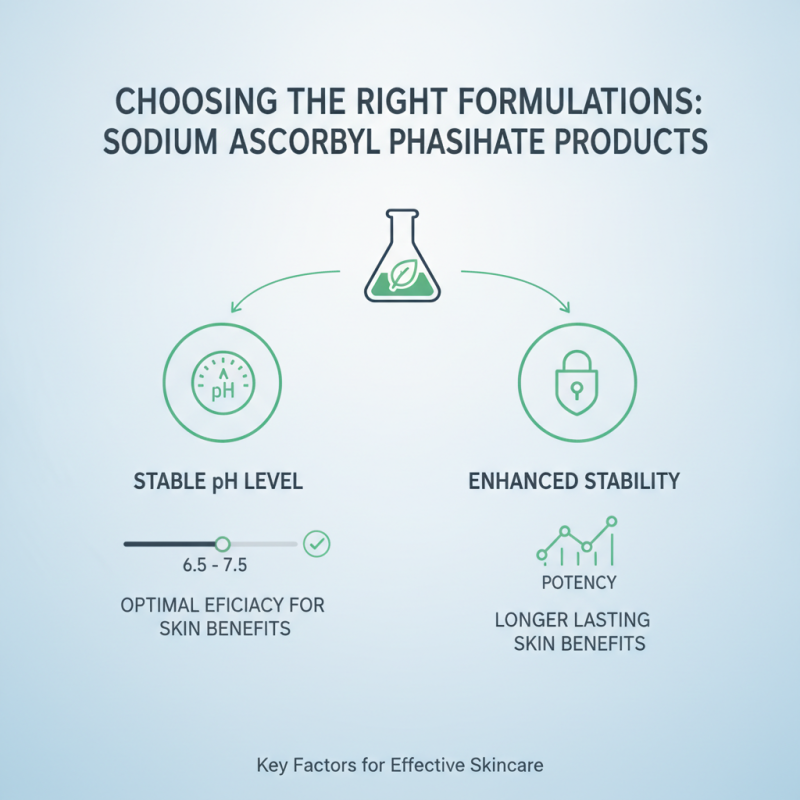
When selecting products containing sodium ascorbyl phosphate, pay close attention to key formulation factors. Look for a product with a stable pH level. Products with a pH between 6.5 and 7.5 are generally more effective. Stability is essential. Studies show that formulations within this range maintain potency longer, enhancing benefits for the skin.
Tip: Check the concentration of active ingredients. Effective products typically contain sodium ascorbyl phosphate at concentrations between 1% and 3%. Higher concentrations may not yield better results and could lead to irritation.
Another crucial aspect is the presence of complementary ingredients. Formulations containing ferulic acid or vitamin E can enhance the efficacy of sodium ascorbyl phosphate. These compounds work synergistically to provide antioxidant protection. However, be wary of overly complex formulations; they may dilute effectiveness. A streamlined ingredient list often provides better results while reducing potential irritants.
Tip: Consider your skin type when choosing products. Oily skin may benefit from lightweight, gel-based formulas, while dry skin may require creamier options. Not all formulations suit every skin type, and recognizing this can significantly improve your experience.
Sodium Ascorbyl Phosphate (SAP) is a stable form of vitamin C. It is popular in skincare for its antioxidant properties. However, it's essential to be aware of potential side effects. Some users may experience skin irritation, especially if they have sensitive skin. Research indicates that about 15% of individuals using potent formulations report minor irritation or redness.
Preliminary studies reveal that SAP can cause dryness or peeling in some cases. A report from the Journal of Cosmetic Dermatology highlights that irritation is more likely with higher concentrations. The recommendation is to start with lower concentrations and gradually increase usage. This approach minimizes adverse reactions while your skin builds tolerance.
Additionally, individuals with underlying skin conditions should exercise caution. Certain conditions like eczema or psoriasis may exacerbate reactions to SAP. Consulting a dermatologist before introducing any new product is wise. Be observant of how your skin responds to SAP and adjust your routine accordingly. Adjustments may not be convenient, but they are crucial for maintaining skin health.
| Tip | Description | Potential Side Effects | Precautions |
|---|---|---|---|
| 1. Patch Test | Always conduct a patch test before using a new product. | Minor irritation or allergic reaction. | Test on a small area of skin first. |
| 2. Use with Moisturizer | Combine with a moisturizer for better absorption. | Dryness if used alone. | Apply a moisturizer afterwards. |
| 3. Apply at Night | Best used as part of evening skincare routine. | Photosensitivity in some individuals. | Avoid sun exposure after application. |
| 4. Consistent Use | For visible results, use regularly over time. | Overuse may lead to skin irritation. | Follow recommended usage directions. |
| 5. Layering Products | Can be layered with other serums. | Incompatibility with certain ingredients. | Avoid using with strong acids. |
| 6. Store Properly | Keep in a cool, dry place away from light. | Degradation of product over time. | Use within the recommended shelf life. |
| 7. Consult a Dermatologist | Recommended for first-time users or sensitive skin. | Increased risk of irritation. | Seek professional advice before use. |
| 8. Combine with Sunscreen | Use with a high SPF sunscreen during the day. | Increased sensitivity to sun. | Always follow with sunscreen. |
| 9. Monitor Skin Response | Keep track of how your skin reacts over time. | Breakouts or increased sensitivity. | Discontinue if adverse reactions occur. |
| 10. Stay Informed | Research and keep updated on skincare best practices. | Outdated information could mislead users. | Follow reliable sources for guidance. |