What is Ethyl Ascorbic Acid and its Benefits for Skin?
Ethyl Ascorbic Acid is a powerful derivative of vitamin C. This ingredient has gained popularity in the skincare industry for its potent benefits. Dr. Emily Tran, a skincare expert, states, "Ethyl Ascorbic Acid is a game changer for skin health." Its ability to brighten and even out skin tone is notable.
Many skincare products now feature Ethyl Ascorbic Acid. This compound penetrates the skin effectively, offering antioxidant protection. Consumers often seek products that contain this ingredient for its anti-aging properties. It has the potential to reduce the appearance of fine lines and dark spots.
Yet, not all formulations are created equal. Some may not deliver the expected results. It's crucial for consumers to research products thoroughly. Understanding how Ethyl Ascorbic Acid works can lead to better skincare choices. Proper usage can make a difference, but so can individual skin types. With this ingredient, both promise and challenges exist in achieving radiant skin.

What is Ethyl Ascorbic Acid?
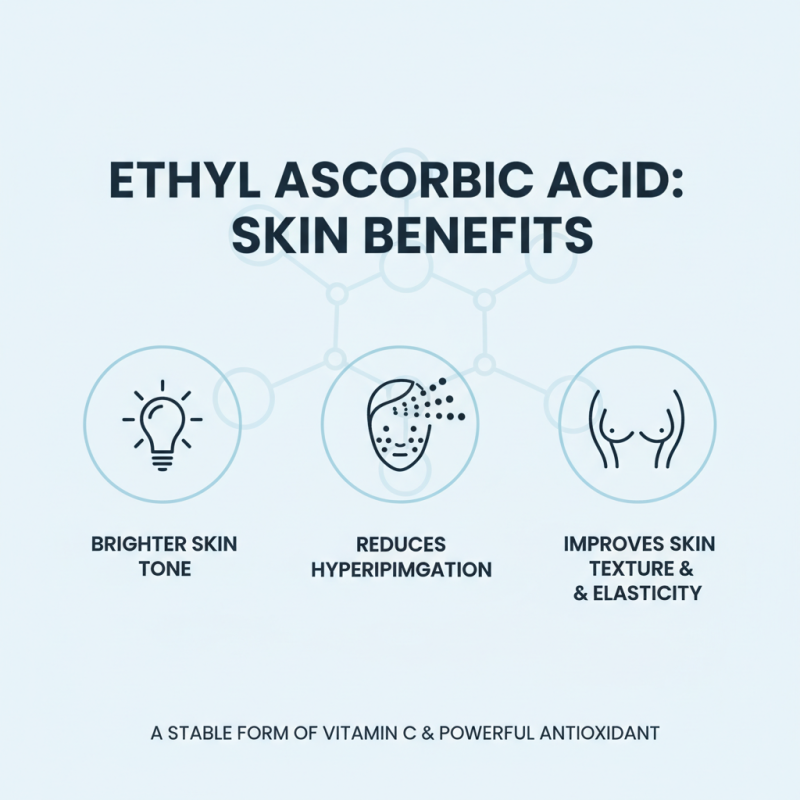
Ethyl Ascorbic Acid is a stable derivative of Vitamin C. It is known for its ability to brighten the skin and reduce hyperpigmentation. Unlike other forms of Vitamin C, Ethyl Ascorbic Acid penetrates the skin more effectively. This makes it a popular choice in many skincare formulations.
This ingredient can help to even out skin tone. Regular use may lead to a more luminous complexion. Users often report a reduction in dark spots and improved overall texture. However, results can vary. Some might not see immediate changes as skin often requires time to adjust.
Ethyl Ascorbic Acid also possesses antioxidant properties. This helps protect the skin from damage caused by free radicals. It can aid in collagen production, which is essential for skin elasticity. While many enjoy these benefits, it’s important to remember that everyone’s skin is unique. What works for one may not work for another. Adjusting the concentration and frequency of use can be crucial for optimal results.
Benefits of Ethyl Ascorbic Acid for Skin
Ethyl ascorbic acid is a stable form of vitamin C that offers various benefits for the skin, such as brightening, anti-aging properties, and protection against UV damage. The following bar chart illustrates the effectiveness of ethyl ascorbic acid in improving different skin concerns.
Chemical Structure of Ethyl Ascorbic Acid
Ethyl Ascorbic Acid is a stable derivative of Vitamin C. Its chemical structure includes an ethyl group attached to the ascorbic acid molecule. This alteration enhances its absorption in the skin. The ethyl group makes it more lipophilic. It also protects Vitamin C from oxidation.
This compound offers notable benefits for the skin. It helps brighten the complexion and reduce pigmentation. Ethyl Ascorbic Acid also supports collagen synthesis, improving skin elasticity. It's beneficial for those dealing with uneven skin tone or dullness. However, not everyone may experience the same results. Some users report irritation or sensitivity.
In terms of formulation, Ethyl Ascorbic Acid can be tricky. Its stability in products depends on pH and concentration. Achieving the right balance is essential for efficacy. Additionally, consumers should note that results may take time. Regular use is important for visible improvements. Despite its advantages, individuals must remain cautious and aware of their skin's response.
Skin Benefits of Ethyl Ascorbic Acid
Ethyl Ascorbic Acid is a stable form of vitamin C. This ingredient is gaining traction in skincare. It offers impressive benefits for the skin. Many appreciate its brightening effects. It helps to even out skin tone and reduce dark spots. Users often report a more radiant complexion.
One major benefit is its antioxidant properties. Ethyl Ascorbic Acid fights free radicals. This action reduces signs of aging, like fine lines. Additionally, it aids in collagen synthesis. This helps maintain skin elasticity. Hydration is another perk. The skin appears plumped and healthy with regular use.
However, not everyone finds it effective. Some may experience irritation or sensitivity. Patch testing is recommended before widespread use. Everyone's skin reacts differently. While Ethyl Ascorbic Acid may illuminate one’s skin, it doesn't work for all. It’s essential to be patient and observe skin reactions.
How to Incorporate Ethyl Ascorbic Acid in Skincare
Incorporating Ethyl Ascorbic Acid into skincare routines can be transformative for many. This powerful antioxidant, a stable form of vitamin C, offers numerous benefits. According to recent industry reports, studies show that Ethyl Ascorbic Acid can significantly brighten skin tone and reduce hyperpigmentation. Users often praise its ability to improve skin texture and elasticity over time.
To incorporate Ethyl Ascorbic Acid, start with a serum. Apply it to clean, dry skin in the morning or evening. A pea-sized amount is usually enough. People with sensitive skin should patch-test first. It's crucial to mix it with hydrating ingredients. Hyaluronic acid or glycerin can enhance moisture retention. This synergy can lead to healthier, more radiant skin.
Be aware of potential overuse. Skin might react to high concentrations. Some may experience irritation, especially if combined with other actives. Adjust the frequency based on your skin's response. Regularly assess your results and adjust your routine as necessary. Keeping these factors in mind can help maximize the benefits of Ethyl Ascorbic Acid.
Potential Side Effects and Considerations of Ethyl Ascorbic Acid
Ethyl Ascorbic Acid is a stable form of vitamin C. It offers several benefits for the skin, but potential side effects must be considered. Some users may experience irritation or allergic reactions. This is particularly true for those with sensitive skin. Always perform a patch test before full application.
Overuse can also lead to dryness. Skin might feel tight or uncomfortable. If this happens, reduce the frequency of use. Consulting a dermatologist is wise if irritation persists.
Another concern is sun sensitivity. While vitamin C generally helps protect against UV damage, it can make skin more reactive to the sun. Always combine with sunscreen for protection. Understanding how your skin reacts to Ethyl Ascorbic Acid is crucial for achieving desired results while minimizing risks.