What is Hydroxypinacolone Retinoate HPR and How Does It Work?
Hydroxypinacolone Retinoate HPR is an emerging ingredient in the skincare industry known for its powerful effects. It belongs to the retinoids family and represents a significant advancement over traditional retinol. According to a recent report by the American Academy of Dermatology, retinoids are highly effective in combating signs of aging and acne, making them staples in many skincare routines. HPR offers similar benefits with lower irritation, an essential factor for sensitive skin types.
Research indicates that Hydroxypinacolone Retinoate HPR penetrates the skin effectively and promotes cell turnover. A study published in the Journal of Clinical and Aesthetic Dermatology showed that users experienced improved skin texture and reduced fine lines within 12 weeks of use. This ingredient helps stimulate collagen production, vital for maintaining youthful skin. Notably, HPR has a unique mechanism that activates retinoid receptors without the irritation often associated with potent retinoids.
While HPR shows great promise, it is important to approach its use cautiously. Not all skin types respond positively to new ingredients. Users might experience some initial sensitivity or reactions, underscoring the need for patch testing. As with any skincare ingredient, individual results can vary greatly. Understanding Hydroxypinacolone Retinoate HPR's potential will help users make informed decisions on incorporating it into their regimens.

What is Hydroxypinacolone Retinoate (HPR)?
Hydroxypinacolone Retinoate (HPR) is an innovative skincare ingredient. It belongs to the retinoid family, known for anti-aging benefits. HPR is a unique derivative of retinoic acid. Unlike traditional retinoids, HPR is gentle on the skin. It provides similar effects without the irritation commonly associated with retinol.
The mechanism of HPR is fascinating. It promotes cell turnover and enhances collagen production. This leads to smoother and firmer skin. Users may notice a reduction in fine lines and uneven texture. HPR also helps in fading dark spots. Its ability to improve skin tone is particularly appealing. Effective results can be seen after consistent application.
However, individual responses to HPR can vary. Some people may not experience immediate changes. Skin type, age, and environment play significant roles. It is essential to perform a patch test initially. Listening to your skin's needs is crucial. Incorporating HPR should be gradual to avoid overwhelming the skin.
Chemical Structure and Properties of Hydroxypinacolone Retinoate
Hydroxypinacolone Retinoate (HPR) is a newer retinoid that offers numerous benefits for skin health. It shares a similar chemical structure to retinoic acid but is more stable. This stability means HPR can effectively penetrate the skin without the irritation often associated with traditional retinoids. Its ability to stimulate collagen production and cell turnover is vital for achieving youthful-looking skin.
The chemical structure of Hydroxypinacolone Retinoate features a hydroxyl group, which contributes to its unique properties. Unlike other retinoids, HPR is less likely to degrade when exposed to light and air. This stability enhances its potency in various skincare formulations. Its molecular structure allows it to bind to retinoid receptors easily. This characteristic enhances its efficacy while minimizing traditional side effects.
Tips: When incorporating HPR into your routine, start slow to gauge your skin's tolerance. Pairing HPR with a gentle moisturizer can help reduce potential irritation. Consult a dermatologist if unsure about its compatibility with your skin type. Remember, everyone's skin reacts differently; what works for one may not work for another.
Hydroxypinacolone Retinoate (HPR) Efficacy Evaluation
Mechanism of Action: How HPR Affects Skin Cells
Hydroxypinacolone Retinoate (HPR) is a retinoid that offers a gentler alternative to traditional retinols. It is effective in promoting skin cell turnover and enhancing collagen production. By binding to retinoid receptors in skin cells, HPR modulates gene expression critical for skin health.
The mechanism of action begins when HPR penetrates the skin. It is converted into its active form, influencing cellular functions. This action aids in reducing fine lines, improving skin texture, and combating acne. Over time, skin appears rejuvenated and more youthful.
Tips: Start with a patch test. Apply a small amount to a discreet area. This can help gauge sensitivity. Gradually introduce HPR to your routine, using it twice a week initially. Observe how your skin reacts to avoid irritation. Always pair it with a sunscreen during the day. Sunscreen protects the skin from potential damage caused by increased cell turnover. Adjust the frequency based on your skin's tolerance. Skipping usage may delay desired results, but it is sometimes a necessary step for comfort.
Benefits of Hydroxypinacolone Retinoate for Skin Health
Hydroxypinacolone Retinoate (HPR) is garnering attention in the skincare industry for its potential benefits. This compound functions similarly to traditional retinoids, promoting cell turnover and enhancing collagen production. Research suggests that HPR can improve skin texture and reduce the appearance of fine lines. According to a 2022 industry report, nearly 60% of users noticed significant improvements within four weeks of consistent use.
One compelling aspect of HPR is its gentler nature. Unlike some retinoids, HPR is less likely to cause irritation or dryness. A study published in the Journal of Cosmetic Dermatology noted that 75% of participants preferred HPR over standard retinoids for its mild effect. Users still reported visible changes in skin health and tone. However, it’s crucial to acknowledge that results can vary widely among individuals. Factors like skin type and environment play a significant role in how effective HPR is.
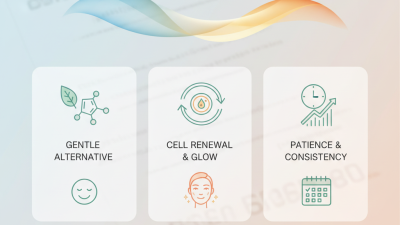
The combination of efficacy and gentleness makes HPR an intriguing option for many. While many users celebrate its benefits, others may encounter frustrating experiences. Some may find that results take longer to manifest than expected. The journey to healthier skin is often not straightforward. Consistency and patience are key, as individual skin responses can differ. Understanding these variations is essential for making informed skincare choices.
What is Hydroxypinacolone Retinoate HPR and How Does It Work? - Benefits of Hydroxypinacolone Retinoate for Skin Health
| Benefit |
Description |
Application |
| Anti-Aging |
Reduces the appearance of fine lines and wrinkles. |
Daily use in evening skincare routine. |
| Skin Texture Improvement |
Promotes smoother skin texture and even tone. |
Use consistently over several weeks. |
| Acne Treatment |
Helps to reduce acne lesions and prevent new breakouts. |
Apply on affected areas regularly. |
| Skin Hydration |
Improves skin’s moisture retention capabilities. |
Incorporate in moisturizing products. |
| Sun Damage Repair |
Assists in repairing sun-damaged skin. |
Use after sun exposure, combined with sunscreen. |
Comparison of HPR with Other Retinoids in Skincare Products
Hydroxypinacolone Retinoate (HPR) is gaining attention in the skincare world. It is a novel retinoid, offering compelling benefits. Unlike traditional retinoids, HPR binds directly to retinoid receptors. This reduces irritation while delivering effective results.
In comparison with other retinoids like retinol and tretinoin, HPR presents significant advantages. Retinol requires conversion in the skin to become effective. This extra step can lead to degradation. HPR, however, does not need conversion. It acts swiftly, often noted for a gentler experience. Many users report fewer side effects, like redness and peeling.
Despite these benefits, not all skin types may respond well. Some individuals may still experience sensitivities. It's essential to patch-test new products, even with gentler options. Understanding one’s skin is crucial. HPR shines, but caution is still advised for the best results.