How to Source Pyridoxine Tripalmitate for Your Business?
Sourcing Pyridoxine Tripalmitate for your business can be a complex journey. This ingredient, known for its versatility in various applications, is gaining attention in the health and beauty sectors. Companies are realizing its potential in skin health formulations and dietary supplements. However, finding a reliable supplier is often challenging.
Understanding the market landscape is crucial. Not all suppliers provide the same quality of Pyridoxine Tripalmitate. Researching potential partners requires time and expertise. You must assess their production processes and certifications. Transparency in sourcing is vital. This eliminates the risk of subpar products reaching your consumers.
Evaluating your needs is also essential. Consider the specific applications of Pyridoxine Tripalmitate in your products. Are you focusing on consumer cosmetics, or are you targeting dietary supplements? Defining these aspects helps in establishing clearer communication with suppliers. As you navigate this process, remember the importance of building reliable partnerships.

Understanding Pyridoxine Tripalmitate and Its Applications
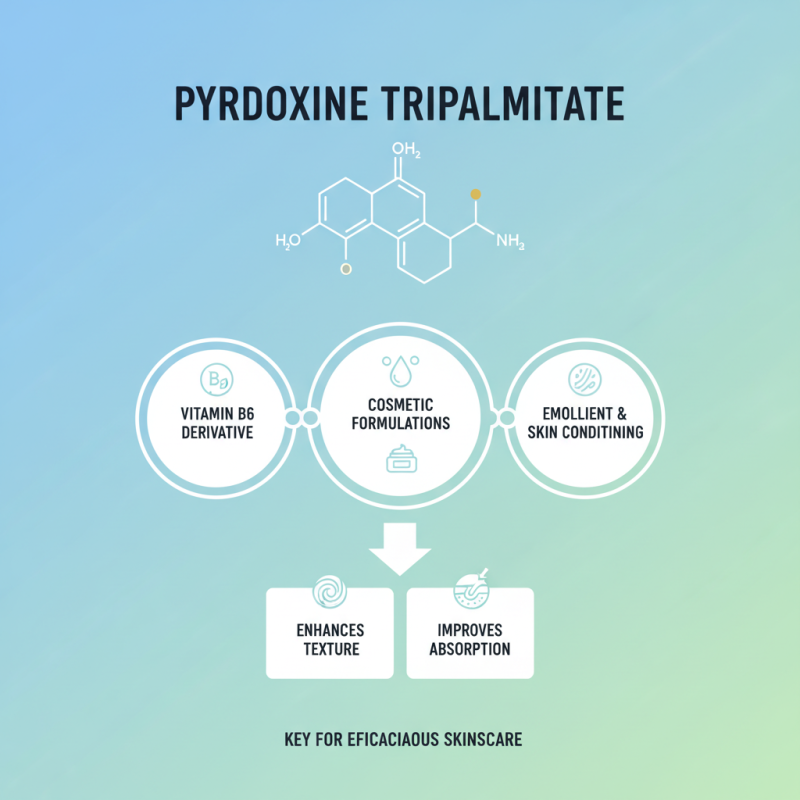
Pyridoxine tripalmitate is a derivative of vitamin B6, widely used in cosmetic formulations. This compound serves as an emollient and skin conditioning agent. Its role enhances the texture and absorption of various products, making it a popular choice in skincare. Understanding its properties is essential for manufacturers aiming to improve product efficacy.
When sourcing pyridoxine tripalmitate, consider quality as a priority. Look for suppliers with a reputation for high purity levels. It’s vital to analyze the sourcing methods and ensure they meet industry standards. A thorough assessment can help mitigate risks associated with low-quality ingredients.
Tips: Always request Certificates of Analysis (COAs) from suppliers. These documents verify the product's quality and consistency. Don't overlook the importance of samples. Testing small quantities can reveal how the ingredient performs in your specific formulations. Establish strong communication with your supplier. Clear dialogue can clarify important details about product sourcing, potential challenges, and market regulations.
Identifying Reliable Suppliers for Pyridoxine Tripalmitate
When searching for reliable suppliers of pyridoxine tripalmitate, focus on a few critical factors. Start by evaluating potential suppliers’ technical expertise and industry experience. A supplier with a strong background in pharmaceutical ingredients is more likely to meet your quality standards. Check their certifications, such as GMP and ISO. These certifications show their commitment to quality and safety.
Next, consider the supplier's transparency. A reliable supplier will openly share their sourcing processes and production standards. Ask for product samples to assess quality firsthand. Engaging in direct communication can reveal their responsiveness and willingness to address your concerns. Trust your instincts. If something feels off, it's worth investigating further.
Additionally, look for feedback from other businesses. Online reviews and testimonials can provide insights into a supplier's reliability. Networking with industry contacts can uncover valuable recommendations. However, remember that not all feedback may be accurate. Weigh the information carefully. This process may seem daunting, but taking the time to find the right supplier is essential for your success.
Market Analysis of Pyridoxine Tripalmitate Suppliers
This bar chart represents the cost per kilogram of Pyridoxine Tripalmitate from various suppliers. Understanding these costs can help businesses identify reliable suppliers and make informed decisions when sourcing this ingredient for their products.
Evaluating Quality Standards and Certifications for Sourcing
When sourcing Pyridoxine Tripalmitate for your business, understanding quality standards and certifications is essential. This ingredient, often used in dietary supplements and cosmetics, requires rigorous evaluation to ensure safety and effectiveness. According to the European Food Safety Authority, any ingredients must meet specific purity levels, typically over 95% for nutritional products.
Certifications play a critical role in this process. Look for suppliers who adhere to Good Manufacturing Practices (GMP) and have ISO certifications. These standards not only verify manufacturing processes but also ensure consistent quality. The market report from Mordor Intelligence indicates that products with strong certifications often boost consumer trust, directly impacting sales.
Tips: Always request a Certificate of Analysis (COA) from suppliers. This document confirms the product's compliance with stated quality standards. It's equally important to conduct random testing on received batches. This practice helps maintain your product's integrity over time. Regularly reassessing your suppliers is key. Some may not consistently meet high standards, and this can reflect on your brand's reputation.
Negotiating Pricing and Terms with Suppliers
When negotiating pricing and terms with suppliers for pyridoxine tripalmitate, establish a clear understanding of your requirements. Know the quality specifications and volumes you need. This clarity helps in communicating effectively with potential suppliers. It also shows that you are serious about the business, which can impact their willingness to negotiate.
Price discussions can be tricky. Multiple factors affect costs, such as ingredient sourcing and production methods. Request detailed quotations from different suppliers. Compare these responses carefully. Look beyond the base price. Consider shipping, delivery times, and payment terms. A seemingly low price might hide additional costs.
Building a relationship with suppliers can foster better terms. Cultivate genuine communication. Share your business goals and ask about their capabilities. However, don’t shy away from asking tough questions. If a supplier is evasive about their pricing model or unclear about lead times, it may be a red flag. Trust your instincts, but also remain open to re-evaluating potential partners. A strong supplier relationship is key to securing the best deals.
Establishing Long-term Relationships with Pyridoxine Tripalmitate Providers
Building long-term relationships with Pyridoxine Tripalmitate providers is essential for businesses in the health and nutrition sector. Strong partnerships can lead to better pricing, consistent quality, and reliable supply chains. Meeting industry standards and specifications requires time and trust, so it’s vital to invest in these relationships.
Communication plays a key role in these partnerships. Regular updates and transparency about expectations foster mutual trust. Establishing a feedback loop helps both parties improve over time. It’s common to encounter challenges, such as fluctuating prices or supply disruptions. Addressing these issues collaboratively can enhance the bond with suppliers.
Visits to suppliers can be invaluable. Seeing operations firsthand builds rapport and understanding. However, managing relationships also requires ongoing assessment. It’s crucial to evaluate whether the partnership meets evolving business needs. Adapting to changes in the market can ensure sustained success for both sides. Continuous learning and flexibility are required to maintain these essential connections.