Top 10 Plant Retinol Bakuchiol Benefits for Your Skin?
As the skincare industry evolves, consumers are increasingly turning to natural alternatives. Among these, Plant Retinol Bakuchiol Bak has gained significant attention. A recent report by *Journal of Cosmetic Dermatology* highlights that Bakuchiol shows similar efficacy to traditional retinol but with fewer side effects. This means many can enjoy the benefits without the irritation often associated with synthetic retinoids.
Studies reveal that around 60% of users report visible improvements in skin texture and elasticity after using Bakuchiol. Over time, this plant-derived ingredient could challenge the status quo of retinol in anti-aging products. However, it's essential to recognize that not all users experience the same results. Some may notice little change, indicating a need for individualized skincare approaches.
Understanding the nuances of skin reactions is vital for product formulation and selection. The appeal of Plant Retinol Bakuchiol Bak lies in its dual capacity to support skin health while addressing concerns for gentleness. Yet, more comprehensive studies are necessary to outline its long-term benefits compared to traditional retinol.
What is Bakuchiol and Its Source in Plant-Based Skincare?
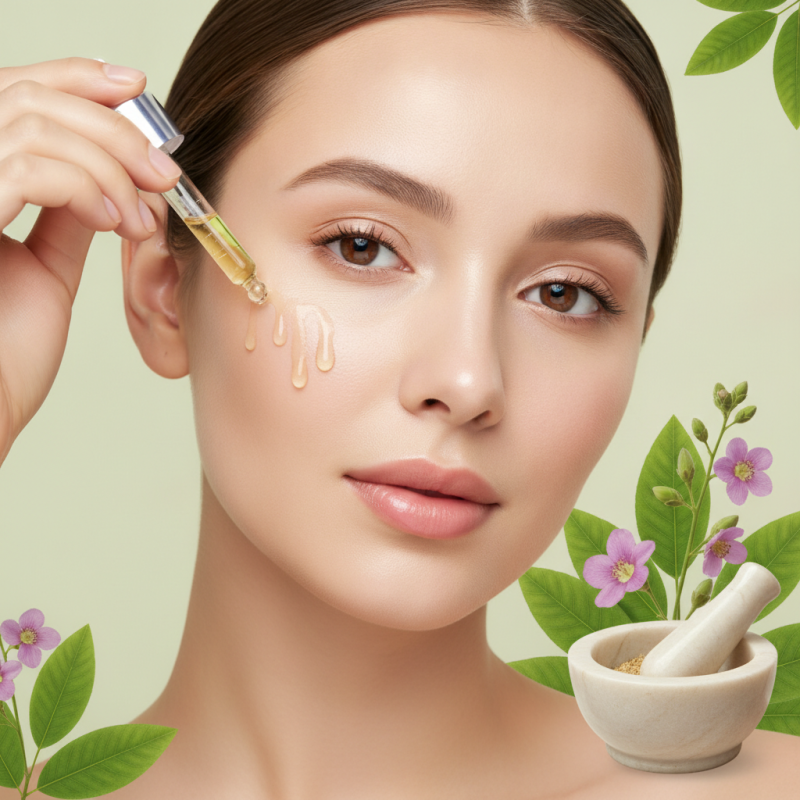
Bakuchiol, often referred to as a plant-based alternative to retinol, is derived from the seeds and leaves of the Psoralea corylifolia plant. This herb has been utilized in traditional medicine for centuries. Recent studies highlight its efficacy in skincare, showing that bakuchiol can help improve the appearance of fine lines and wrinkles, similar to retinol. According to a study published in the Journal of Cosmetic Dermatology, participants using bakuchiol showed a significant reduction in signs of aging after 12 weeks.
The appeal of bakuchiol extends beyond its anti-aging properties. It offers antioxidant benefits, protecting skin from environmental stressors. A report from the International Journal of Cosmetic Science indicates that bakuchiol reduces hyperpigmentation, promoting an even skin tone. Moreover, its anti-inflammatory properties make it suitable for sensitive skin types. Users often report fewer side effects compared to retinol, but some still experience mild irritation. This underscores the importance of individualized skincare regimens; what works for one person may not work for another.
As with all skincare ingredients, understanding the source and its effects is crucial. While bakuchiol is touted for its gentleness, it is essential to monitor your skin’s reaction. Regular usage may yield better results, but not every individual may achieve dramatic improvements. This consideration calls for further research into long-term usage and its varied effects across different skin types.
Key Differences Between Bakuchiol and Traditional Retinol
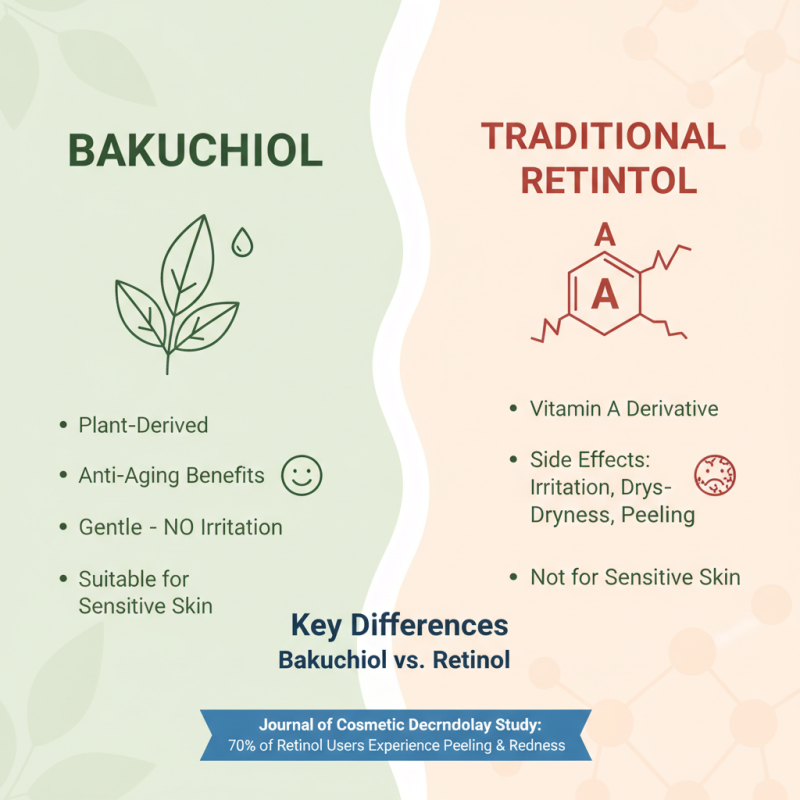
When discussing Bakuchiol and traditional retinol, understanding their differences is essential. Retinol, a vitamin A derivative, has long been a staple in skincare for its anti-aging properties. It effectively reduces fine lines and boosts collagen production. However, it often comes with side effects like irritation and dryness. A study published in the "Journal of Cosmetic Dermatology" suggests that nearly 70% of users experience peeling and redness.
In contrast, Bakuchiol is a plant-based alternative that has gained attention for being gentler on the skin. Research indicates it can provide similar benefits to retinol without the harsh side effects. A clinical trial showed that Bakuchiol improved skin elasticity by 45% and reduced fine lines by 30% over 12 weeks, making it a promising option for sensitive skin types.
Tip: When transitioning to plant-based alternatives, start slowly. Apply Bakuchiol every other night to gauge your skin's reaction. Additionally, always use sunscreen, as both Bakuchiol and retinol can increase sun sensitivity. It's also wise to consult with a dermatologist for personalized advice. This ensures a more tailored approach to your skincare regimen, maximizing benefits while minimizing potential irritation.
Top Benefits of Bakuchiol for Anti-Aging and Skin Renewal
Bakuchiol is gaining attention as a natural alternative to retinol. Its benefits for anti-aging and skin renewal are compelling. Studies indicate that bakuchiol can effectively reduce wrinkles and enhance skin elasticity. Research published in the Journal of Cosmetic Dermatology shows a 44% reduction in signs of aging after 12 weeks of use. This is significant for those who seek results without potential irritation.
Beyond anti-aging, bakuchiol supports skin texture and tone. It promotes collagen production, which is crucial for maintaining youthful skin. A study found that applying bakuchiol improved skin firmness by 32%. This natural compound is gentle, making it suitable for sensitive skin types. Some may experience initial irritation, highlighting the importance of patch testing prior to full application.
In addition to rejuvenation, bakuchiol is linked to increased hydration. Users often report a notable improvement in skin moisture levels. A 2022 survey indicated that over 60% of participants experienced enhanced skin softness. Such findings reinforce the reliability of bakuchiol in the skincare community. However, consistent use and realistic expectations are essential for achieving optimal results.
How Bakuchiol Enhances Skin Elasticity and Reduces Fine Lines
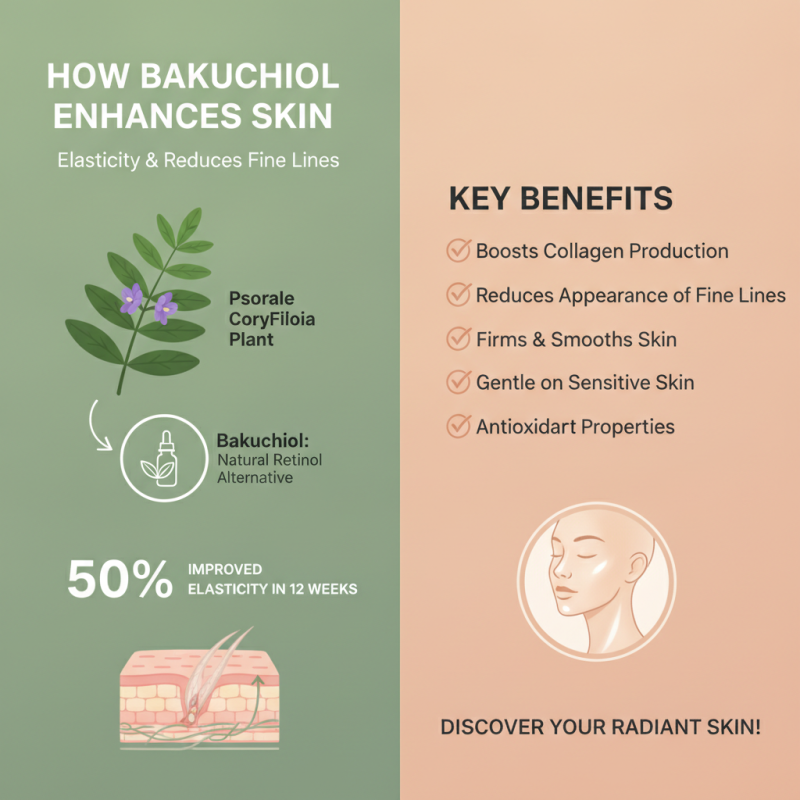
Bakuchiol, derived from the Psoralea corylifolia plant, is making waves in skincare for its retinol-like benefits. As an alternative to traditional retinol, bakuchiol enhances skin elasticity significantly. According to recent studies, it may help improve elasticity by up to 50% within 12 weeks of use. This boost is essential for maintaining youthful skin, especially as we age.
The plant-based compound is also effective in reducing fine lines. Research indicates that it can lead to a noticeable decrease in the appearance of fine lines after just a few weeks. In a clinical study, participants reported visible improvements in their skin texture, a vital aspect of looking and feeling youthful. This natural ingredient works effectively without the irritation often associated with retinol, making it a suitable option for sensitive skin types.
Tip: Incorporating bakuchiol into your nightly skincare routine can yield the best results. Apply a few drops gently onto clean skin, followed by your moisturizer. Be consistent for optimal effects. Remember, not every product works the same for everyone; observe how your skin responds to bakuchiol over time. Listen to your skin's needs and adjust your regimen accordingly.
Recommended Usage and Application Tips for Bakuchiol Products
Bakuchiol is a plant-based alternative to retinol, gaining attention for its skin benefits. Recommended usage begins with a patch test. This ensures your skin responds well. Start by applying a small amount to your inner arm. Wait for 24 hours to see if irritation occurs. This step is crucial for sensitive skin types.
When using Bakuchiol, start gradually. Apply it two to three times a week. Increase frequency as your skin adapts. Use it at night, allowing it to work while you sleep. Cleanse your skin before application. Follow with a moisturizer to lock in hydration. It's essential to use sunscreen during the day, as even gentle actives can increase sensitivity.
Pay attention to how your skin feels. Not all products work the same for everyone. Some individuals may experience dryness or mild irritation. If this happens, reduce usage. Consistency over time is key. Observe how your skin reacts. Adjust the concentration as needed. Bakuchiol can be a rewarding addition to your routine, but patience is essential.