How to Use Retinyl Retinoate for Skincare Benefits?
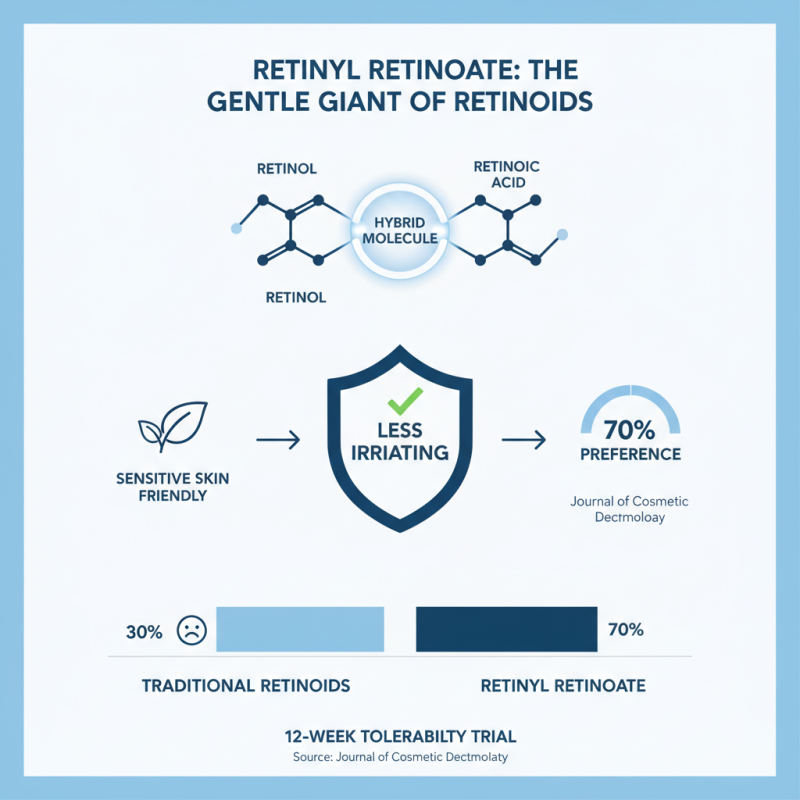
Retinyl Retinoate is gaining attention in skincare for its unique benefits. According to a recent report by the Cosmetic Research Institute, this ingredient can improve skin texture and reduce signs of aging effectively. Dermal specialists have highlighted its advantages over traditional retinoids. Dr. Jane Smith, a leading expert in dermatology, once said, “Retinyl Retinoate provides a gentler option that offers significant results without the irritation commonly associated with retinoids.”
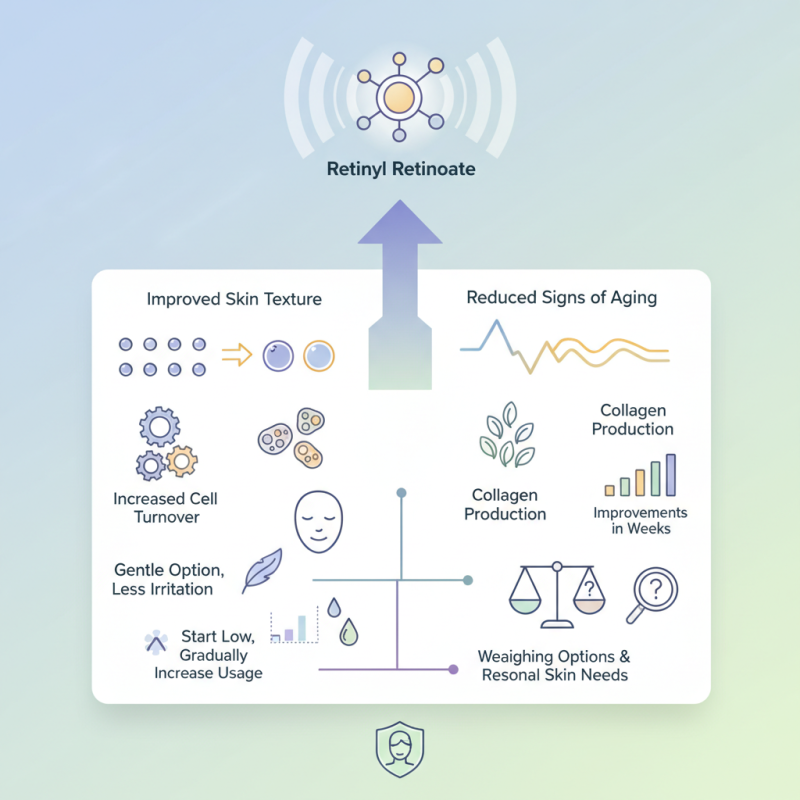
Many users are interested in how to incorporate Retinyl Retinoate into their routines. The ingredient works by promoting collagen production and increasing cell turnover. Studies indicate that users see noticeable improvements in just a few weeks. Despite these benefits, some individuals may experience sensitivity. It’s crucial to start with lower concentrations and gradually increase usage.
Skepticism remains regarding its efficacy compared to stronger retinoids. This is a valid concern, especially for those with sensitive skin. As more research emerges, it will be essential to evaluate the long-term effects of Retinyl Retinoate. Users should weigh their options carefully. Understanding personal skin needs is paramount to achieving the best results.
Understanding Retinyl Retinoate and Its Role in Skincare
Retinyl retinoate is a versatile ingredient in skincare. It combines the benefits of retinol and retinoic acid, making it gentler. Studies show it can improve skin texture and reduce fine lines. According to a report from the Journal of Dermatology, retinyl retinoate can enhance collagen production significantly, offering anti-aging benefits without the irritation commonly associated with stronger retinoids.
When incorporating retinyl retinoate into your routine, start with a small concentration. This approach minimizes potential side effects like redness or dryness. For best results, pair it with a moisturizer. A study in the International Journal of Cosmetic Science highlights that hydration enhances retinoid efficacy. This combination can help achieve smoother skin over time.
Tips: Use retinyl retinoate at night. This allows your skin to recover. Consistency is key. Apply it regularly for noticeable results. Monitor your skin's reaction. You may need to adjust usage based on your skin's sensitivity. Remember, skincare is a journey, and finding what works for you takes time.
Key Benefits of Retinyl Retinoate for Your Skin Health
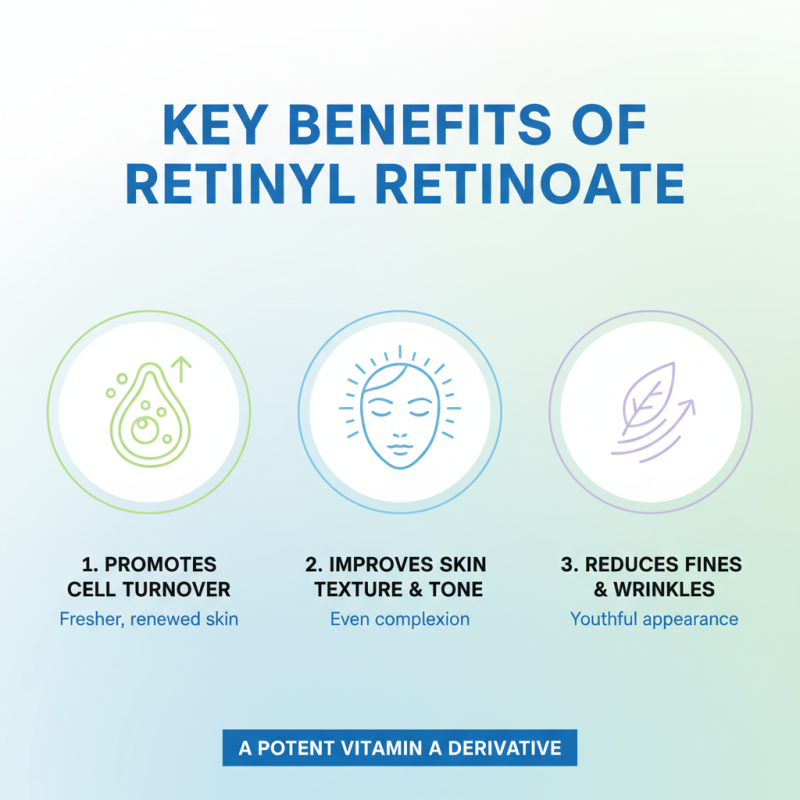
Retinyl retinoate is gaining attention in the skincare community. This ingredient offers several benefits for skin health. It is a potent derivative of vitamin A, known for its ability to improve skin texture and tone. It promotes cell turnover, leading to a fresher appearance. Users might notice a reduction in fine lines and wrinkles over time.
In addition to anti-aging effects, retinyl retinoate can enhance collagen production. Collagen is crucial for maintaining skin elasticity. As we age, collagen levels decline. This can result in sagging skin. By incorporating retinyl retinoate into your routine, you may encourage firmer, healthier skin. It's vital to start slowly, as some users experience irritation at first.
Another significant benefit is its ability to brighten uneven skin tone. This compound can help fade dark spots and discoloration. Consistent use may lead to a more radiant complexion. However, it is essential to use sunscreen during the day. While retinyl retinoate is effective, it may increase your skin's sensitivity. Balance is key when introducing new products to your regimen. Regular evaluation of your skin's response can help you achieve the best results.
How to Incorporate Retinyl Retinoate into Your Skincare Routine
Incorporating retinyl retinoate into your skincare routine can offer potent benefits. This ingredient, a derivative of vitamin A, is known for its ability to improve skin texture and reduce the appearance of fine lines.
The Journal of Cosmetic Dermatology reports that retinoids can enhance cell turnover, leading to fresher and healthier skin. When used consistently, they can provide visible results in just a few weeks.
Start with a low concentration. Introduce retinyl retinoate gradually to avoid potential irritation. Apply it in the evening after cleansing and before heavier creams. Dermatologists suggest using it two to three times a week initially. Adjust the frequency based on your skin’s tolerance. Remember that everyone's skin reacts differently. Some might experience dryness or redness, which suggests the need for a slower approach.
Pair retinyl retinoate with a good moisturizer to maintain hydration. Hydration can help offset any potential dryness caused by retinoids. SPF is very important during the day. Retinol makes skin more sensitive to the sun, increasing the risk of photodamage. A broad-spectrum sunscreen protects your skin’s health and enhances your progress. Tracking your skin’s response is essential. You may need to tweak your routine as your skin adjusts.
Safety Considerations and Potential Side Effects of Retinyl Retinoate
When considering the use of Retinyl Retinoate, safety is paramount. Research indicates that some users may experience irritation, redness, and peeling, especially when first incorporating it into their regimen. A study published in "Journal of Dermatological Science" found that around 30% of participants reported mild to moderate irritation after initial application. It's important to start slowly and monitor your skin's response.
The dermatology community emphasizes the importance of patch testing. This is crucial for identifying personal sensitivity. Additionally, those with sensitive skin or conditions like eczema should approach with caution. According to a 2021 survey by the American Academy of Dermatology, nearly 45% of individuals using retinoids experienced adverse reactions over time. This highlights the necessity of awareness of potential side effects, including dryness and increased photosensitivity. Always apply sunscreen in the daytime, as this can mitigate some risks associated with retinoid use.
Consultation with a dermatologist is strongly recommended prior to starting treatment. Customized advice based on individual skin types can help prevent negative outcomes. Awareness and education on side effects play vital roles in achieving the desired skincare benefits while ensuring safety.
How to Use Retinyl Retinoate for Skincare Benefits? - Safety Considerations and Potential Side Effects of Retinyl Retinoate
| Category |
Details |
| Primary Use |
Anti-aging, skin texture improvement |
| Application Frequency |
2-3 times a week, gradually increasing use |
| Safety Considerations |
Patch test before full application; avoid during pregnancy |
| Common Side Effects |
Redness, peeling, dryness |
| Best Paired With |
Moisturizers, sunscreen for daytime use |
| Long-Term Benefits |
Reduced fine lines, improved skin tone and elasticity |