Why Choose Ascorbyl Tetraisopalmitate for Skincare?
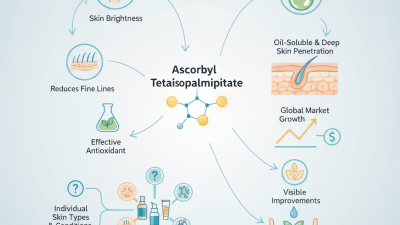
Why are formulators increasingly choosing Ascorbyl Tetraisopalmitate for modern skincare? The answer begins with stability. Traditional L-ascorbic acid can oxidize quickly when exposed to light, air, heat, or water. Ascorbyl Tetraisopalmitate is an oil-soluble vitamin C derivative designed for better formulation flexibility. It can blend into creams, facial oils, and anhydrous serums. That matters beside a bathroom window.
Grand View Research and Euromonitor International’s 2024 beauty industry analyses show continued consumer demand for brightening and antioxidant skincare. However, market growth does not prove every product works equally well. Marketing sometimes outruns evidence. That distinction matters. Cosmetic dermatologist Dr. Zoe Diana Draelos has described vitamin C as “a very unstable molecule.” Her observation helps explain why formulators investigate more stable derivatives, including Ascorbyl Tetraisopalmitate. Stability may support consistent delivery, but it cannot replace suitable concentration, packaging, or regular use.
Laboratory and supplier data associate this derivative with antioxidant activity and improved skin feel. Some studies also suggest benefits for uneven tone and visible aging. Human evidence remains more limited than promotional language often implies. Readers should examine study design, sample size, testing duration, and independent funding. A well-designed formula should use opaque, protective packaging and provide clear usage guidance. Patch testing remains sensible, especially for reactive skin. The ingredient is promising, not magical. Its real value comes from combining chemical stability, cosmetic elegance, and realistic expectations.
What Is Ascorbyl Tetraisopalmitate?
Ascorbyl Tetraisopalmitate is an oil-soluble derivative of vitamin C used in modern skincare formulas. It is made by attaching four isopalmitic acid groups to ascorbic acid. This structure helps the ingredient mix with skin oils and resist breakdown from water. Unlike pure ascorbic acid, it usually feels gentler and causes less stinging. It also works well in creams, facial oils, and balm-like textures.
In practice, this derivative is valued for antioxidant support and a more even-looking skin tone. It may also support collagen production after conversion within the skin. The evidence is promising, but it is not unlimited. Results depend on concentration, formula quality, storage, and consistent use. Skin does not change overnight. A pale mark may need several weeks to look different.
I pay close attention to packaging. Light, heat, and air can still affect vitamin C derivatives. An opaque, tightly sealed container is a sensible choice. Patch testing remains useful, especially for reactive skin. Even gentle ingredients can cause trouble when layered with strong exfoliants or retinoids. I have found that “stable” does not mean “invincible.” Formula testing matters more than a fashionable ingredient label.
How Does Ascorbyl Tetraisopalmitate Work on Skin?
Ascorbyl tetraisopalmitate is an oil-soluble vitamin C derivative designed to work with the skin’s lipid environment. Its fatty acid structure helps it spread through emollient-rich formulas and remain more stable than pure vitamin C in many conditions. After application, it can move into the outer skin layers, where skin enzymes may gradually convert part of it into active vitamin C forms. This process is slower and less direct than using pure ascorbic acid.
Its main role is antioxidant support. It may help neutralize reactive molecules created by sunlight, pollution, and daily environmental stress. It also supports pathways linked with collagen production, which can help skin appear firmer over time. By influencing melanin-forming activity, it may reduce the look of uneven tone and lingering dark marks. Results depend on concentration, packaging, skin condition, and consistent use. The ingredient alone cannot replace sunscreen.
The skin often feels comfortable with it.
That matters.
Oil-soluble derivatives are commonly considered gentler, but irritation remains possible, especially in sensitive skin or poorly balanced formulas. Available cosmetic research is encouraging, yet the exact conversion rate inside living skin is not fully predictable. Some claims sound stronger than the evidence supports. Patch testing and professional guidance are sensible when using concentrated products, particularly alongside exfoliating acids or retinoids. Expect gradual changes, not overnight brightness.
What Skincare Benefits Does It Offer?
Ascorbyl tetraisopalmitate offers a gentler route to vitamin C skincare. It is oil-soluble, so it can blend into lipid-based formulas and feel smoother on dry skin. This structure may also improve stability compared with pure L-ascorbic acid, which can oxidize quickly when exposed to air, light, or water.
Its main benefit is antioxidant support. By helping reduce oxidative stress, it may support brighter-looking skin and a more even tone. Vitamin C also contributes to collagen formation, although evidence for this specific derivative remains limited. A 2022 review in Clinical, Cosmetic and Investigational Dermatology reported that topical vitamin C studies often used 5–20% concentrations, but derivative-specific trials were fewer and less consistent. That distinction matters.
Many users report less stinging than with low-pH vitamin C serums. In practical use, a small amount can spread over cheeks without the sharp, acidic feel some formulas create. Still, “gentle” does not mean irritation-proof. Fragrance, essential oils, and the total formula can change the experience. The Cosmetic Ingredient Review’s safety approach also emphasizes assessing ingredients within their finished formulations, not in isolation. Results may appear slowly. Uneven pigmentation can involve sun exposure, hormones, or inflammation, so one ingredient cannot solve every cause. A sunscreen remains essential, even when the serum feels effective.
Why Choose Ascorbyl Tetraisopalmitate for Skincare?
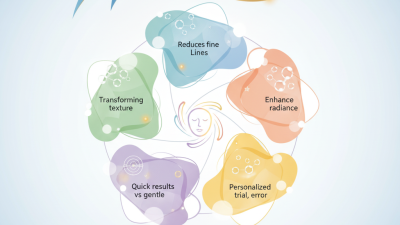
What skincare benefits does this oil-soluble vitamin C derivative offer?
Ascorbyl tetraisopalmitate is a lipid-soluble vitamin C derivative used in skincare formulations.
Its main potential benefits are antioxidant protection, support for collagen-related skin function,
and improved appearance of uneven skin tone. The chart uses a comparative literature-informed score
from 1 to 5, where 5 indicates stronger overall support from published vitamin C research and
formulation knowledge. These scores are not clinical efficacy percentages.
Scientific basis: published research on topical vitamin C, vitamin C derivatives, antioxidant activity,
collagen synthesis, and melanin regulation. Individual results depend on concentration, formulation stability,
skin condition, and routine use.
How Should It Be Used in a Skincare Routine?
Ascorbyl tetraisopalmitate is an oil-soluble vitamin C derivative used for antioxidant support and uneven-looking skin tone. Unlike pure L-ascorbic acid, it is often easier to tolerate. Research is promising, but results can vary between individuals.
Use it after cleansing, when your skin is completely dry. Apply a small amount of serum or cream, then follow with moisturizer. Start two or three nights weekly. Increase use only when your skin remains comfortable. A simple routine works best. Avoid combining it with several strong exfoliants or retinoids at first, as irritation can make dark marks look worse. Patch test near the jawline before applying it widely.
It can also be used in the morning. Wear broad-spectrum sunscreen every day, because vitamin C does not replace sun protection. Store the product tightly closed, away from heat and direct light. I once used too many brightening products together and blamed the ingredient for the redness. That was a poor test. Give it several weeks before judging changes, and reduce use if stinging, persistent dryness, or swelling appears. People with eczema, rosacea, or ongoing sensitivity should seek professional advice before adding it.